RU
RU
 ES
ES



Advantages of Latvia for Licensing Investment Activity
| Access to the EU capital market | Commercial and operational efficiency | High scalability of the business model | Regulatory stability and reliability
|
Trust of institutional partners |

We provide end‑to‑end support for authorization: from designing the structure to passing the regulator’s compliance review

| Access to the EU capital market | Commercial and operational efficiency | High scalability of the business model | Regulatory stability and reliability
|
Trust of institutional partners |

of experience in international consulting

crypto licenses obtained

successful complex cases

completed projects

supported jurisdictions

lawyers, auditors, and consultants
To obtain an investment license in Latvia, a company must register and demonstrate its ability to conduct regulated investment activities in a sustainable, well-organized manner.
1. Appropriate legal structure
The company must have:
2. Clearly defined business model
It is important to clearly describe the services provided:
3. Transparency of ownership and management
The Bank of Latvia reviews the ownership structure and management team. Key requirements include:
4. Capital, substance, and governance
The company must have:
5. Compliance and operational readiness
A compliance framework must be prepared, including:
An investment license in Latvia is not a general permit for all financial activities and does not automatically cover every advisory, dealing, or intermediary model. The license scope must align with the company’s actual operations.
Regulated investment services
In practice, an investment license in Latvia may cover one or more regulated investment services, depending on the company’s structure, client base, and target market.
| Regulated activity | What it typically includes | Typical commercial application |
| Receipt and transmission of orders | Receiving client orders and transmitting them for execution | Advisory and brokerage models |
| Execution of orders on behalf of clients | Carrying out transactions in financial instruments for clients | Trading and execution models |
| Proprietary trading | Trading using the company’s own capital | Principal activity |
| Portfolio management | Discretionary management of client assets | Asset management for private and professional clients |
| Investment advice | Provision of personalized investment recommendations | Advisory and wealth services |
| Placement or underwriting of instruments | Assisting in the placement or issuance of financial instruments | Corporate finance and capital raising |
Additional and related services
An investment license in Latvia may also include certain ancillary services related to core investment activities:
It is essential to determine whether the company performs regulated activities:
Activities requiring a separate approach
Certain business models require separate authorization or further legal analysis.
| Business model | Typical legal consideration |
| Payment services or electronic funds | Separate payments or an e‑money license may be required |
| Funds or collective investment structures | Subject to a distinct regulatory and licensing regime |
| Custodial or depositary functions | Require dedicated operational analysis |
| Crowdfunding, fintech, or hybrid platforms | Require individual classification |
| Forex or complex trading models | Assessed in the context of the full transaction and risk structure |
Cross‑border aspect
A key advantage of Latvia is the ability to use an investment license for cross-border activities within the EU, subject to license scope and applicable legal and notification requirements.
An investment license in Latvia allows a company to operate with financial instruments within its authorized scope:
Many applicants choose Latvia not only for its EU status, but also for its regulatory reliability, commercial efficiency, and access to the wider European market.
Key advantages of obtaining an investment license in Latvia
| Advantage | Why it matters |
| Position in the EU | Provides access to a broader market |
| Commercial efficiency | Allows control of costs and business structure |
| Scalability | Suitable for growth-oriented models |
| Practical implementation | Simplifies company launch and management |
| Reliable regulatory framework | Increases trust in the company and the license |
The licensing process is a structured legal and operational project that includes the following stages:
Stage 1. Preliminary legal structuring
At this stage, the prospective company typically determines:
Stage 2. Company formation and preparation of the document package
The licensing document package must include:
Stage 3. Submission of the application
At this stage, the regulator verifies:
Stage 4. Regulatory review and clarifications
The regulator focuses on:
Stage 5. Approval and launch of the operational model
After obtaining the license, the organization must:
General timelines depend on the scope of the licensed investment activity, the complexity of the proposed business, the quality of the documentation package, and the company’s readiness from the outset to comply with applicable requirements.
| Stage | Indicative timelines |
| Preliminary structuring and legal analysis | 2–4 weeks |
| Company registration and preparation of the documentation package | 4–8 weeks |
| Application submission and initial review | Depends on the specific case |
| Clarifications and additional questions | Several weeks – several months |
| Final approval and launch of operations | Depends on complexity and readiness |
Licensing costs include government fees, legal support, notary services, and banking charges. The Prifinance team helps optimize your budget and reduce unnecessary expenses.
A company’s taxation is determined by its legal form, business process structure, and the nature of its licensed activities.
Corporate Tax
The system taxes distributed profits. Tax is incurred when dividends are paid, while reinvesting income in business development, employees, or compliance can help optimize the tax burden.
VAT
VAT in the financial sector requires separate analysis. Outsourcing and cross-border services may create additional VAT obligations that must be considered in the operational model.
Cross‑Border Activity
When operating within international groups, it is critical to allocate functions, risks, and internal payments correctly. The tax profile must fully correspond to the chosen licensing model.
| Sequential document preparation
An optimized application workflow reduces the risk of errors and improves the predictability of license timelines. |
| Full turnkey support
End‑to‑end assistance from document preparation to regulator engagement. |
| Extensive international experience
Practical knowledge of regulatory requirements and licensing procedures across multiple jurisdictions. |
| Qualified expert team
Specialist lawyers and consultants experienced in authorizing investment companies, compliance management, and banking relationships. |
| Transparent cooperation
Commercial terms and project milestones are agreed upon to ensure predictable delivery and clear accountability. |
Prifinance specialists possess significant experience in licensing and supporting financial organizations across various jurisdictions. The company offers comprehensive support at all project stages, ensuring regulatory compliance and minimizing legal risks.


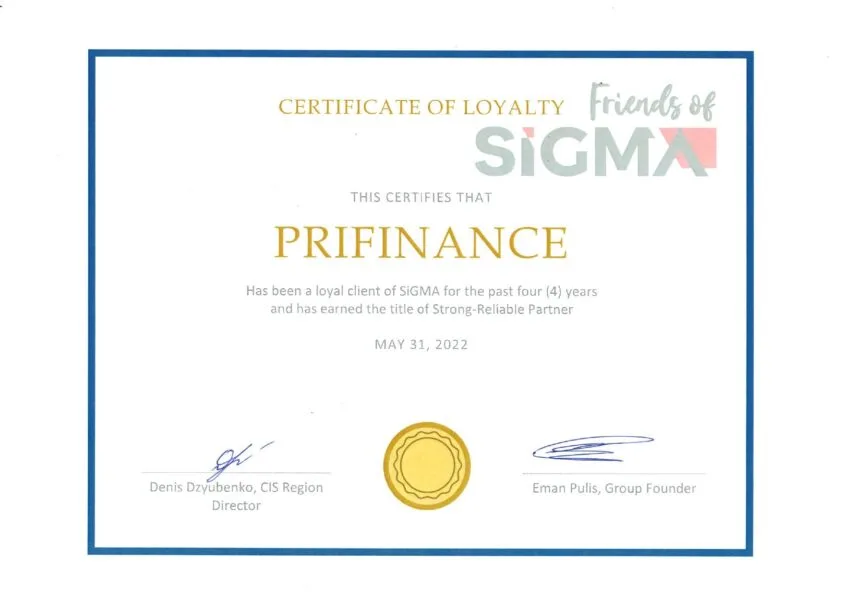
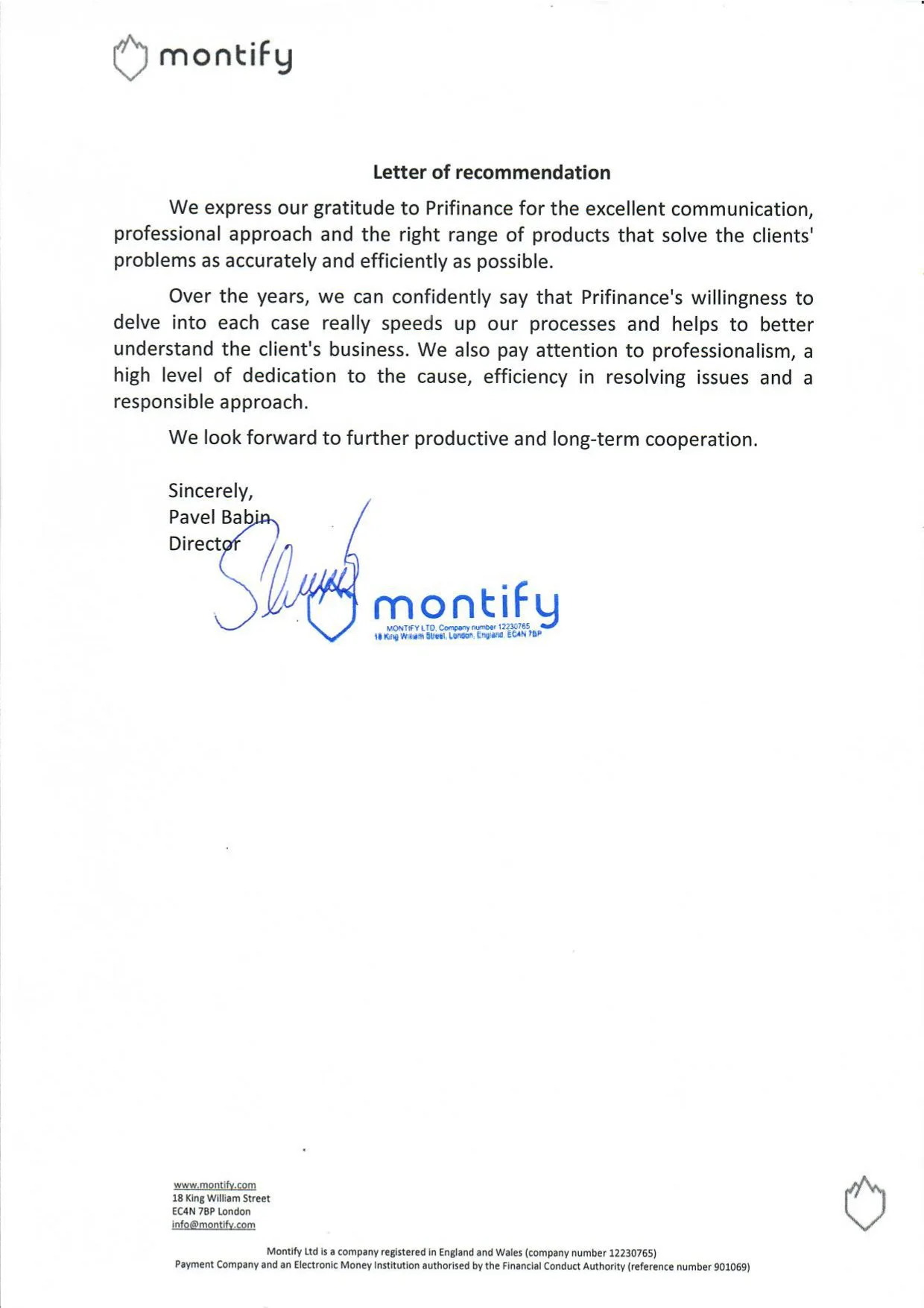
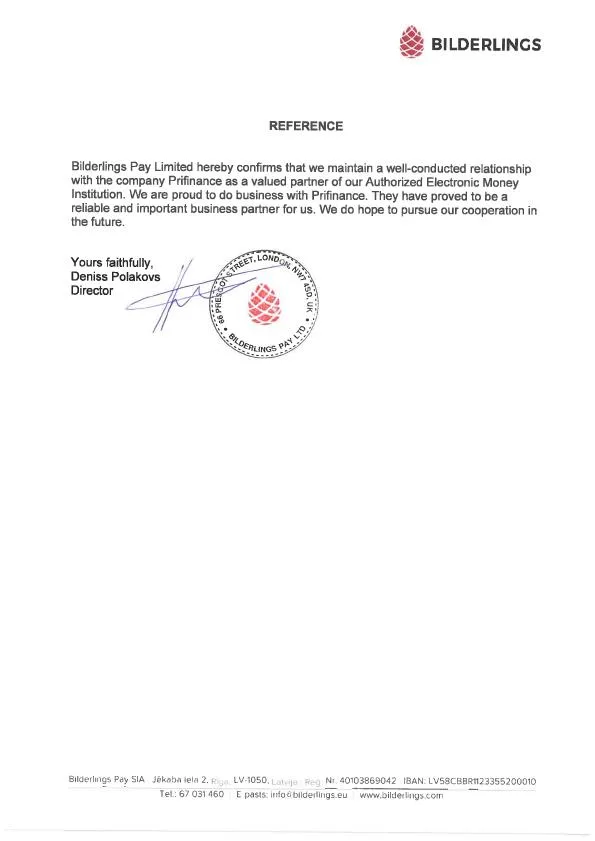
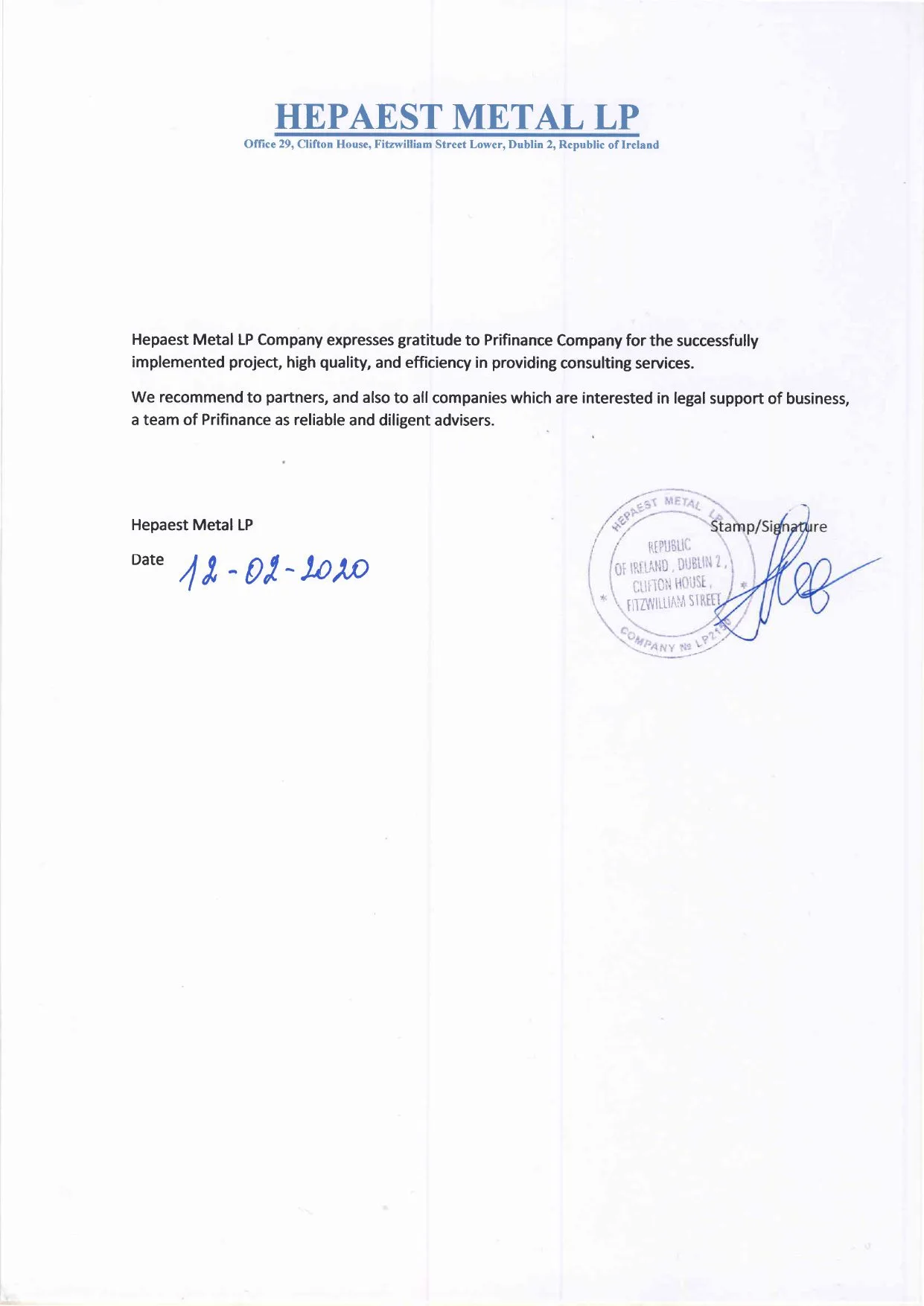
Testimonials







It is a regulatory permission that allows a company to provide investment and ancillary financial services, subject to compliance with established requirements.
No, the need for a license depends on the nature of the activities and the services provided.
Yes, provided the requirements for substance, management, and transparency of the structure are met.
No, registration creates a company (legal entity), but conducting the activity requires obtaining a license.
Typically, corporate documentation, shareholder and management information, a business plan, and internal policies are provided.
Yes, the company’s business must have actual presence, management, and the ability to carry out activities in the jurisdiction.
The timeframe depends on the project's complexity, but the licensing process usually takes several months.
Yes, subject to compliance with EU requirements and cross‑border service provision procedures.
A standard corporate tax regime applies, taking into account VAT specifics and cross‑border operations.
Due to access to the EU market, stable regulation, and a favorable business environment.
Cooperation