RU
RU
 ES
ES



Why is Estonia an attractive jurisdiction for investors?
| EU digital jurisdiction | High level of trust | Optimized operational environment | Transparent taxation | Predictable regulatory environment |

Expert support throughout the licensing process: minimizing barriers to entering the European capital market.

| EU digital jurisdiction | High level of trust | Optimized operational environment | Transparent taxation | Predictable regulatory environment |

of experience in international consulting

crypto licenses obtained

successful complex cases

completed projects

supported jurisdictions

lawyers, auditors, and consultants
An investment license is a legal confirmation of a company’s ability to provide financial services safely.
1. Corporate structure and control
The file includes:
2. Governance and accountability
The Financial Supervisory Authority (FSA) expects confirmation of:
3. Capital and financial stability
Capital adequacy includes:
4. Substance: staff and office
The investment file includes:
5. Policies, procedures, and evidence
The documentation package includes:
The scope of an investment license in Estonia is determined by the actual activities: the methods of service delivery, order execution processes, control over client funds, and exposure to financial instruments.
1. Core investment services:
2. Where regulatory boundaries shift
Operational models that may require authorization:
An investment license in Estonia covers a wide range of financial instruments, including:
International founders choose Estonia for its operational efficiency while maintaining strict compliance with European Union financial standards.
1. Digital operating environment
Estonia is attractive for its efficient administration and reporting, provided there is local substance. This allows companies to maintain actual compliance through continuous audit trails, transaction records, and documentation.
2. EU standards framework with practical supervisory expectations
For investors, this means:
3. Trust from counterparties and financial institutions
A licensed company gains an advantage when working with:
4. Planning advantages for scaling
Proper licensing supports growth by:
5. Commercial positioning
Estonia is optimal for firms that:
Investment licensing is a step-by-step regulatory process designed to confirm that a company is capable of providing financial services within a controlled and auditable structure.
Stage 1. Designing the scope of activities and legal mapping:
Stage 2. Establishing governance and control systems
Documenting areas of responsibility:
Developing control systems:
Stage 3. Preparing the application package
Preparing an application that confirms:
Stage 4. Regulatory review
Follow-up questions should be expected. Regulators typically assess:
Stage 5. Decision and readiness for issuance
After regulatory approval and fulfillment of all conditions, the company receives authorization to proceed with operational launch.
The timeline for obtaining a license depends on the complexity of the business model. Key factors include the number of activities, the completeness of internal policies with a well-developed audit trail, and the presence of real operational substance.
The cost includes government fees, legal services, translations, and banking charges. The exact amount is determined on a case-by-case basis.
A regulated financial business in Estonia must plan taxation and reporting in parallel with the investment licensing process.
1. Corporate income tax
In Estonia, corporate profits are generally taxed at the time of distribution rather than when they are earned and retained. The standard approach is often described as 22/78 of distributed profits.
2. VAT
The standard VAT rate in Estonia as of July 1, 2025, is 24%. Many financial services under EU regulation may be exempt depending on their legal classification.
3. Employment-related costs
Staff budgeting includes:
| Optimized procedures
A structured approach to application preparation reduces the risk of errors and shortens licensing timelines. |
| Full legal support
Assistance at every stage, from document preparation to obtaining the license. |
| Extensive international experience
Specialized expertise in financial law and the authorization of financial companies in leading global jurisdictions. |
| Qualified experts
A team of consultants specializing in the design of international compliance structures for investment companies. |
| Transparent cooperation
All terms are agreed in advance, ensuring predictability and confidence at every stage. |
Our team consists of professionals in financial law and licensing. We provide full support for your projects, drawing on many years of international experience in company formation and successful interaction with regulators.


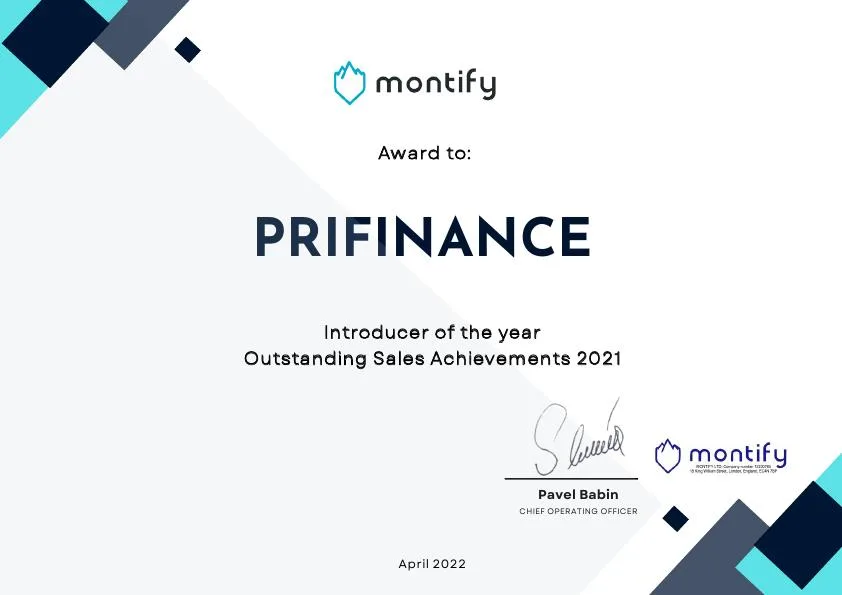
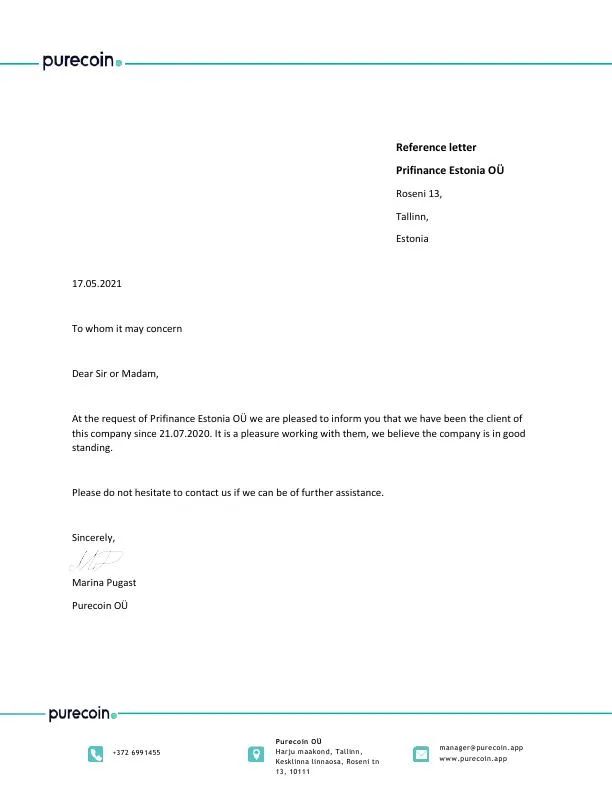
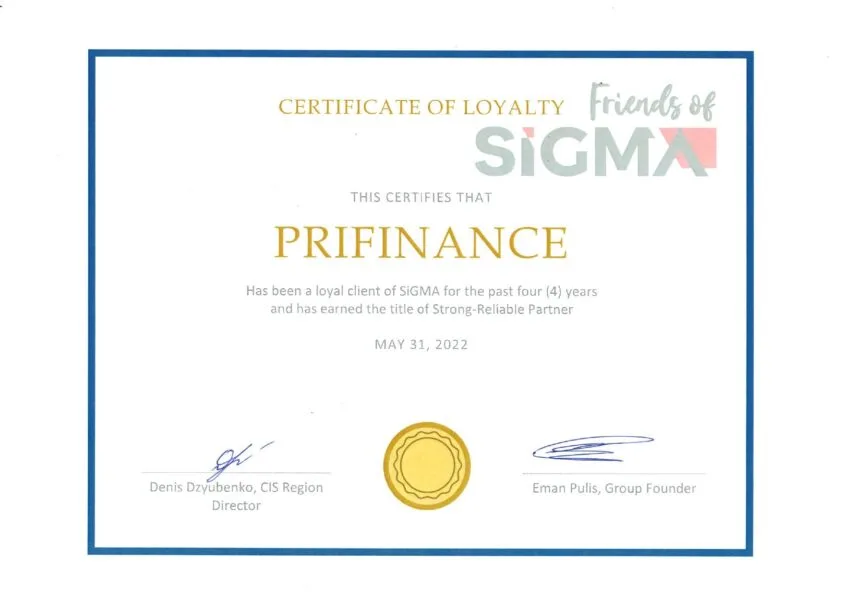
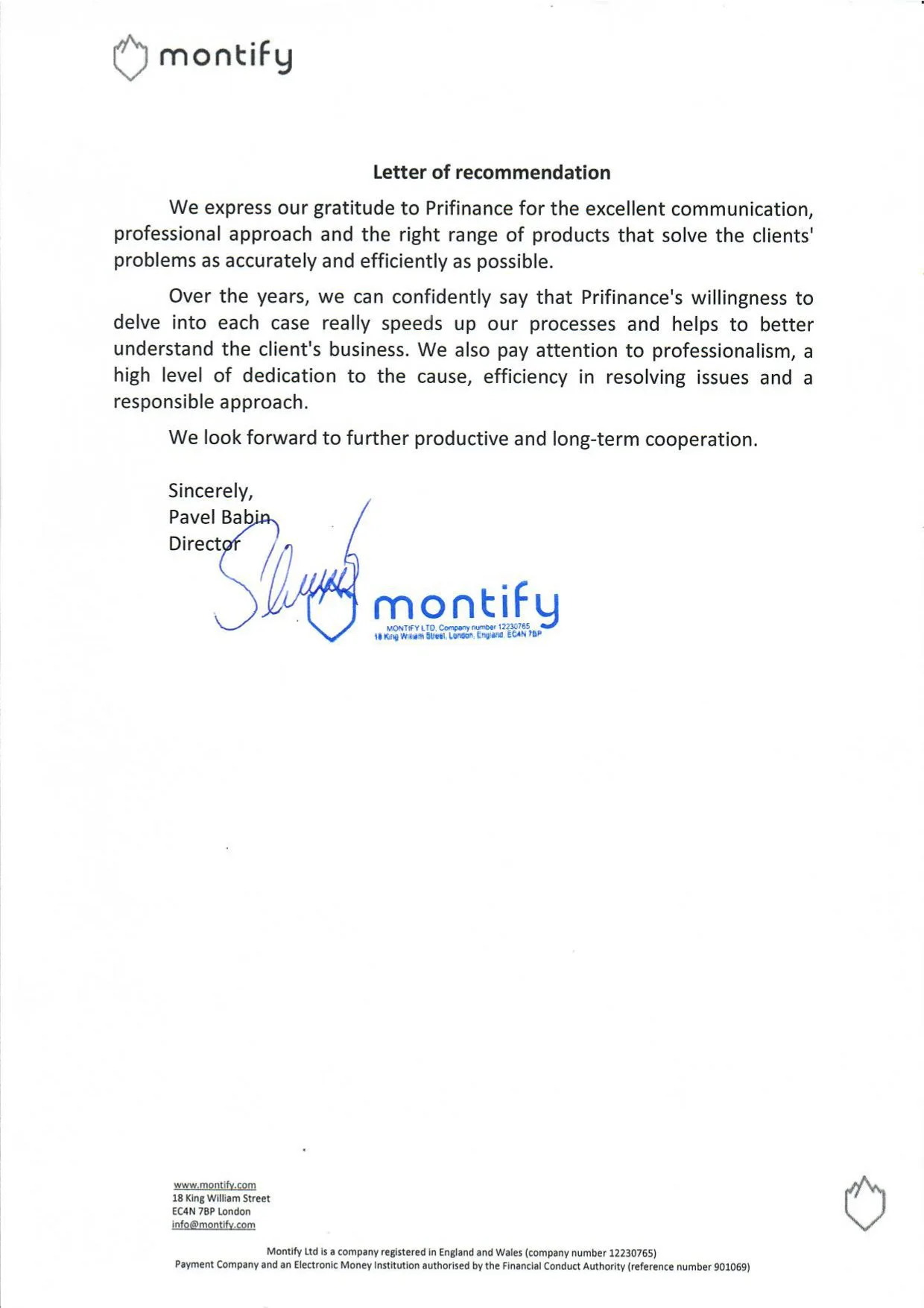
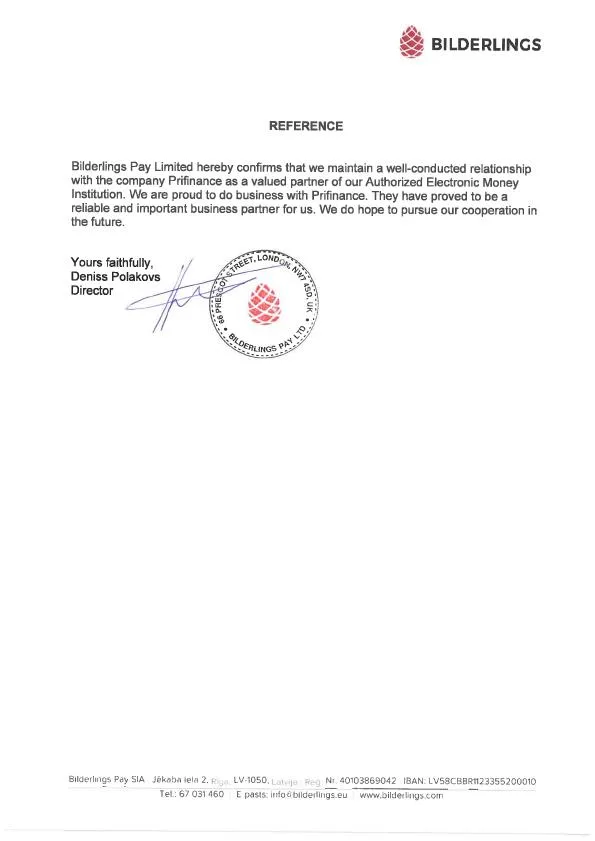
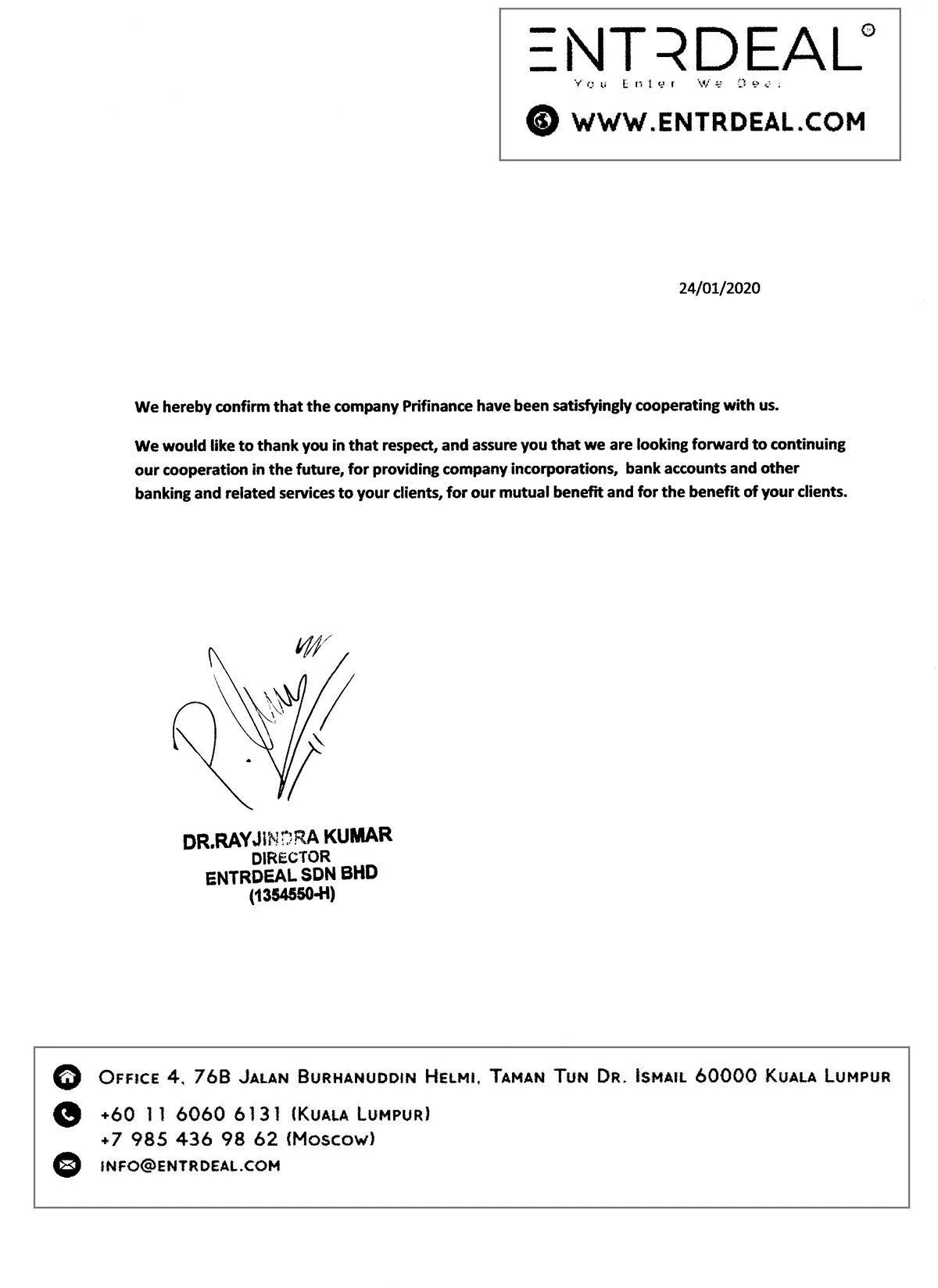
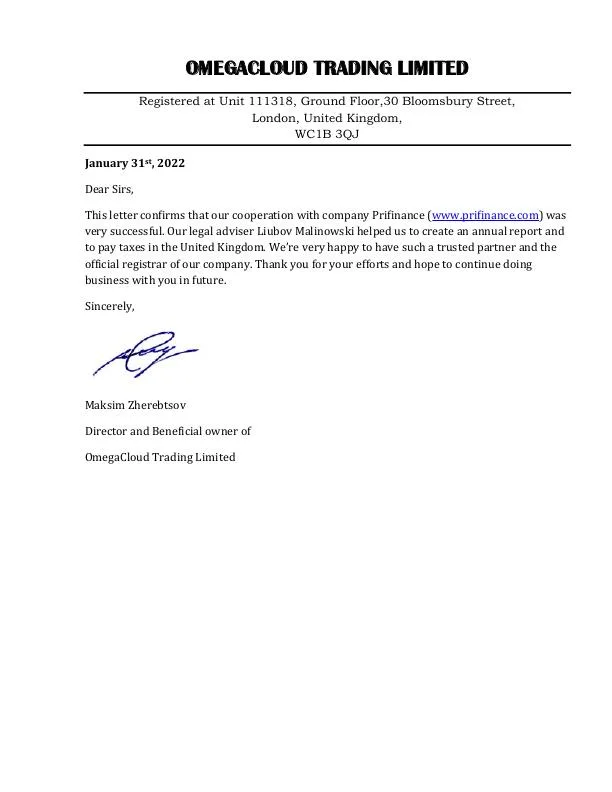
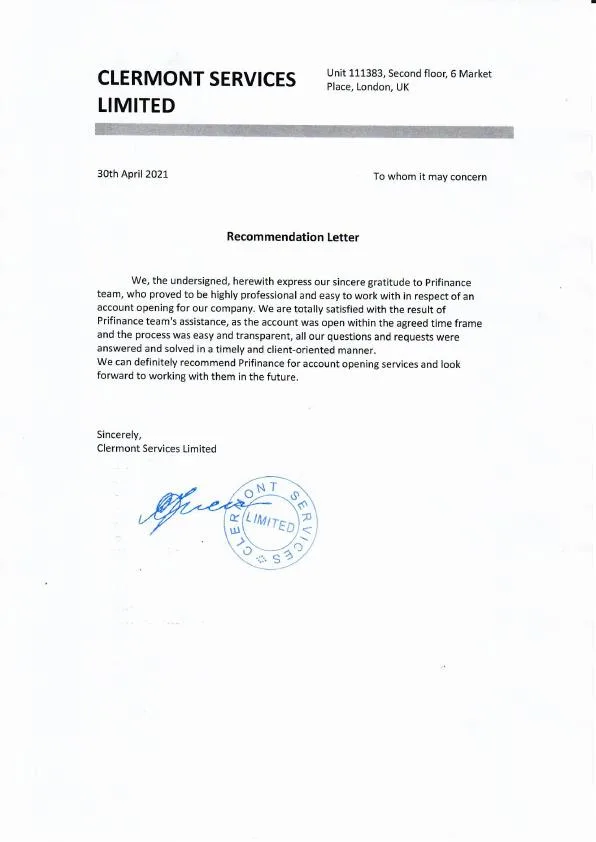
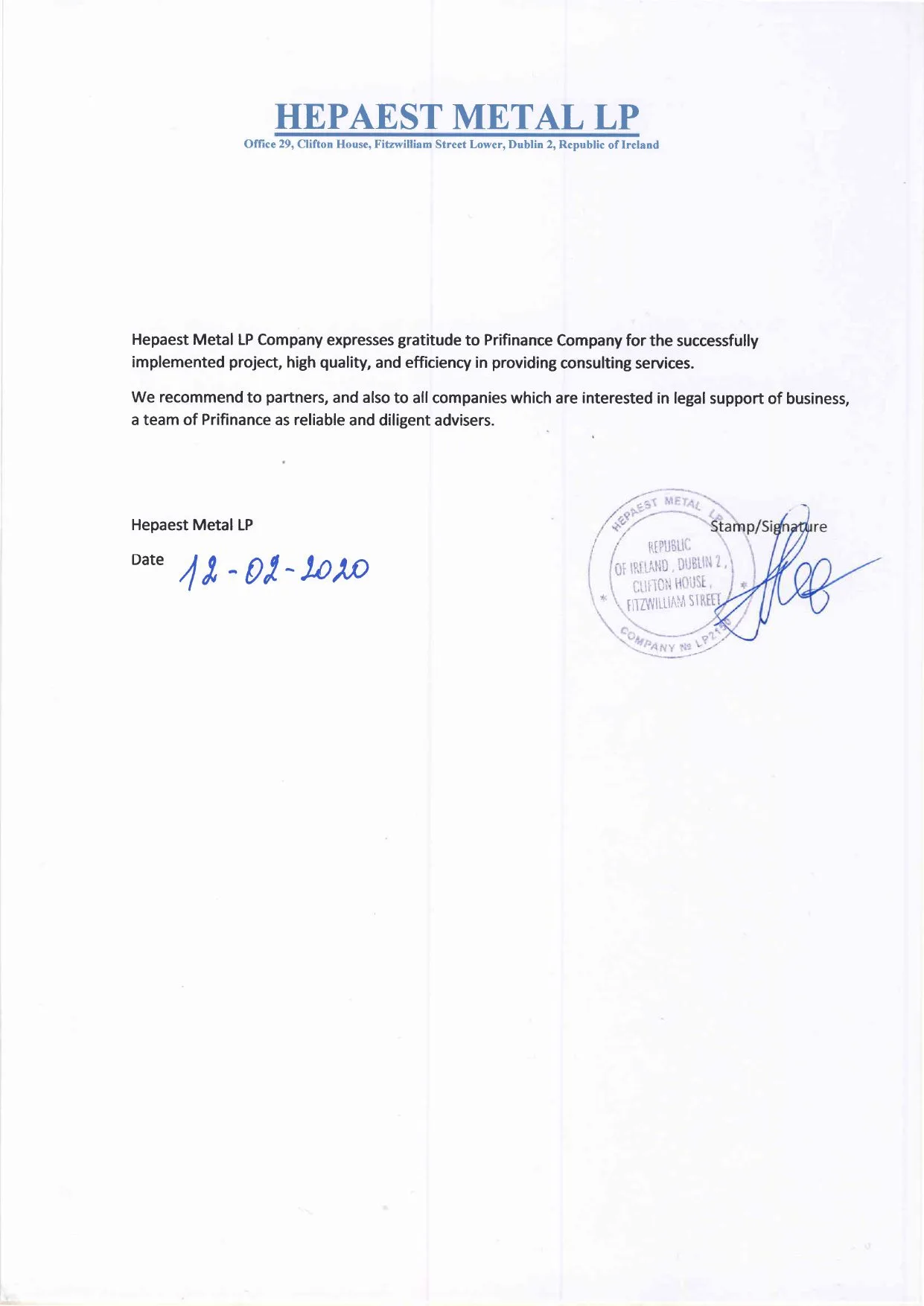
Testimonials



An investment license in Estonia is a regulatory authorization that allows a company to provide specific financial services within a framework that complies with EU standards.
No. Registration creates a legal entity. A license authorizes that entity to carry out regulated financial activities. Registration is administrative in nature, while licensing is a legal assessment of your operating model.
Depending on the category, the scope may include brokerage services, order execution, portfolio management, and fund-related services. If the model involves securities or shares, licensing must reflect the actual transaction flow.
In practice, most credible regulated models require real presence: an office plan, qualified staff, and accountable management. Regulators and banks typically assess whether the firm has genuine operational capacity rather than being a registered “shell.”
A license application usually includes corporate documents, disclosure of owners/controllers, a description of the governance system, policies, and operational manuals. For cross-border structures, some records may require certification or authentication to ensure evidentiary reliability.
The amount of capital depends on the licensed activities and risk profile. Some categories imply minimum resource thresholds. The file must also include a realistic cost model and demonstrate ongoing financial stability.
Timelines depend on the scope of activities and the readiness of the file. Delays usually arise from scope misalignment, weak governance descriptions, superficial control structures, and inconsistent documentation. Thorough preparation before submission reduces review cycles.
Some firms begin onboarding in parallel, preparing the foundation for AML/CTF checks. Bank onboarding becomes easier when the business model is clearly defined and aligned with prudential principles of the Bank of Estonia and financial stability standards.
Estonia is known for taxing corporate profits primarily at the point of distribution, making dividend planning important. For regulated firms, transparent accounting and robust record-keeping are critical both for tax purposes and for institutional counterparties.
Ongoing supervision typically requires maintaining the licensed scope of activities, keeping policies and controls in place, maintaining full records and transaction documentation, notifying the regulator of material changes, and sustaining a consistent level of compliance.
Cooperation