
Header Background

Get a Slovakia Crypto License

Crypto license in Slovakia – full compliance, fast launch, turnkey solution. Submit request

  • Clear requirements
  • Fintech support
  • Flexible structure
  • Timeframe: from 3 months
  • Taxes: 21%
Specialist - Partner
Expert with 15 years of experience in FinTech, payments, and business strategy.
Table of contents
Table of contents
Send an application

Send your request now and receive our personalized offer!


    Slovakia and MiCA: New opportunities for legal crypto activity

    Slovakia is becoming an increasingly attractive jurisdiction for relocating crypto licenses within the framework of MiCA regulation in the EU. Thanks to its membership in the European Union, the country has adapted its financial and regulatory system to modern requirements for transparency, security, and regulatory adherence in the field of crypto-assets and virtual currencies. This makes Slovakia a promising choice for companies seeking to maintain trust and compliant status within the EU as the market becomes more competitive.

    A company with a valid license issued in Slovakia can provide services in the field of virtual assets, from operating cryptocurrency exchanges to managing virtual wallets. The country’s regulators have developed a clear yet strict process for submitting applications and obtaining permits, allowing companies to operate in a recognized and regulated environment.

    The licensing procedure includes a comprehensive review of operational processes, internal documentation, risk management procedures, and measures to combat illegal practices. Having a license increases trust from clients, banks, and partners.

    Some features that enhance the attractiveness of licensing in Slovakia:

    • Full integration with the EU regulatory framework (MiCA), ensuring uniform rules
    • Protection of client assets through compliance with AML and KYC requirements
    • The ability to provide services across the entire EU with a single license
    • Support for a wide range of operations, from virtual wallets to cryptocurrency exchanges and transaction processing

    By obtaining a license, a company can quickly strengthen its reputation and gain opportunities to expand its business both within the European Union and beyond, given the growing global demand for regulated cryptocurrency services.

    Advantages of working with Prifinance:

    30 years

    of experience in international consulting

    400+

    crypto licenses obtained

    100+

    successful complex cases

    10 000+

    completed projects

    40

    supported jurisdictions

    100+

    lawyers, auditors, and consultants

    Types of activities covered by a crypto license in Slovakia

    A crypto license is issued to companies for the legitimate provision of a range of services in the field of virtual assets in accordance with the MiCA regulation in force within the European Union. This regulatory authorization covers several areas of the virtual currency ecosystem. At the same time, a single license allows for more than one type of service, provided this is permitted by the regulatory framework.

    Main types of services covered by the Slovak crypto license:

    Type of activity Covered by Slovak crypto license?
    Cryptocurrency exchange (buy/sell) Yes
    Trading cryptocurrencies and fiat currencies Yes
    Management of virtual asset wallets Yes
    OTC services (over-the-counter deals) Yes
    Cross-border transfers and payments
    Custody and safeguarding of virtual assets (custody) Yes
    Token issuance and currency listing Subject to approval by the regulatory authority

    All licensed companies are required to implement comprehensive procedures for anti–money laundering (AML) and customer identification (KYC). These measures are aimed at preventing money laundering and protecting clients’ transactions.

    Compliance requirements:

    Licensed companies are required to continuously comply with existing regulatory requirements, including:

    • Conducting mandatory audits
    • Implementing appropriate risk management measures
    • Regular reporting to the Slovak regulator

    Additional services:

    Owners of crypto licenses in Slovakia often provide ancillary services, including:

    • Virtual asset advisory
    • Regulatory and financial consulting
    • Technical implementation consulting for blockchain solutions

    Modern regulation:

    The Slovak regulatory framework takes into account new directions of the crypto industry, including:

    • Decentralized finance (DeFi)
    • Asset tokenization platforms

    It provides legal certainty for various business models based on crypto technologies.

    Benefits for licensed companies:

    Holders of a valid crypto license are entitled to conduct fully regulated virtual asset operations. They gain access to the advantages of the Slovak regulatory environment while remaining within the single EU market and protecting clients’ interests through a robust legal framework.

    Advantages of a crypto license in Slovakia

    Obtaining a crypto license in Slovakia provides companies with tangible advantages when establishing or expanding a business in the European virtual asset market. Under the current EU legislation (MiCA regulation), the Slovak legal model offers a clear regulatory framework focused on security, legal certainty, and stability for virtual asset service providers.

    Key advantages include:

    • Full regulatory compliance. A crypto license issued in Slovakia ensures adherence to all applicable EU standards, providing both the company and its clients with legal certainty and enhanced protection.
    • Access to the EU market. A licensed company is authorized to carry out relevant services and conduct operations throughout the European Union, including currency and financial transactions.
    • Strict AML measures. The licensing process includes a conservative and well-structured AML and KYC framework, which builds a high level of trust among clients and partners.
    • Business model flexibility. The license covers a wide range of virtual asset operations, from wallet management, currency exchange, and custodial services to payment processing, allowing companies to expand their product offerings and operational models.
    • Low startup costs. Compared to other EU countries, Slovakia offers reasonable licensing fees and operational expenses, suitable for both startups and established companies.
    • Financial infrastructure. Local banks and payment providers play a vital role, offering reliable fiat on/off-ramps for both clients and businesses.
    • Experienced regulator. The Slovak regulator has the expertise and capacity to support companies during the licensing process and assist licensed entities in ongoing operations. Its involvement facilitates successful registration and continuous regulatory adherence.

    Main advantages of the Slovak cryptocurrency license

    Advantage Details
    Access to the EU market Full rights to conduct cryptocurrency operations across the entire EU
    Regulatory compliance Aligned with MiCA, ensures reliable legal adherence
    AML/KYC implementation Strict anti–money laundering enforcement
    Cost efficiency Lower fees compared to many Western European countries
    Access to banking services Established banking relationships for cryptocurrency operations
    Flexibility Support for a wide range of crypto-related services

    The Slovak crypto license combines regulatory security with practical benefits, helping companies build a reliable, compliant, and scalable business in the rapidly growing European virtual asset ecosystem.

    Jurisdiction analysis: How Slovakia stands out among other countries

    When choosing a jurisdiction for obtaining a crypto license, it’s important to compare the regulatory framework, costs, and advantages of different options. In this context, Slovakia represents a competitive solution in Europe due to the following factors:

    • Full compliance with the MiCA regulation in force within the EU
    • Attractive and balanced pricing conditions
    • Simplified application and licensing procedure

    Slovakia confidently competes with other popular jurisdictions by offering a reliable regulatory environment, clear requirements, and access to the single European market for virtual asset service providers.

    Jurisdiction License type Regulatory authority Licensing fees Time to launch Compliance burden Market access Access to banking
    Slovakia Crypto Service Provider (MiCA) National Financial Authority Moderate 3–6 months Moderate Full EU access Established
    Germany BaFin Crypto  BaFin High 6–9 months High Full EU access Strong
    Lithuania VASP (MiCA) Financial Crime Investigation Service Low–Moderate 2–4 months Medium Full EU access Good
    Malta VFA  Malta Financial Services Authority High 6–8 months High EU + International Good
    Estonia VASP  Estonian Financial Intelligence Unit Moderate 3–6 months Medium EU access Good
    Switzerland FINMA Crypto  FINMA High 4–8 months High Global Strong

    Key conclusions

    • Slovakia offers a balanced approach: moderate licensing fees combined with full access to the European Union market.
    • Regulatory requirements are embedded in the regulatory framework and largely align with EU directives, simplifying the operations of licensed companies across other EU countries without the need for additional approvals.
    • The licensing process in Slovakia is significantly faster and more cost-effective compared to Germany and Malta, making it especially attractive for startups and mid-sized companies.
    • Lithuania and Estonia also offer a simple and fast solution for obtaining a license; however, Slovakia stands out due to its established banking relationships, providing an additional advantage.
    • Switzerland, despite its international recognition, remains more expensive and less structured in terms of gaining access to the EU ecosystem compared to the Slovak license.

    Establishing a licensed company is an efficient, cost-effective, and EU-compliant solution for entering the European virtual asset market or strengthening one’s position within it.

    Clear regulation combined with favorable business conditions makes Slovakia a reliable alternative to other European jurisdictions for crypto licensing.

    Requirements for obtaining a crypto license in Slovakia

    Obtaining a crypto license inevitably requires potential licensees to fulfill a number of regulatory, operational, and financial obligations. This is due to the country’s commitment to ensuring compliance with European Union standards and legislation under the MiCA regulation, as well as with Slovak financial laws governing the licensing process.

    The licensing regime is supervised and enforced by the National Bank of Slovakia (Národná banka Slovenska, NBS). Its services are aimed at strengthening transparency and security measures in the cryptocurrency sector.

    Key requirements for a Slovak crypto license include:

    Requirement Description
    Legal entity Register a Slovak company in accordance with Slovak law, with a transparent ownership structure
    Capital requirements Maintain minimum paid-up share capital set by the National Bank of Slovakia (NBS), typically starting from €50,000 depending on the type of activity
    Management Appoint qualified management and regulatory oversight officers who meet the “fit and proper” criteria and have experience in financial services
    AML/KYC compliance Implement reliable anti–money laundering (AML) and customer identification (KYC) procedures in line with EU directives
    Internal controls Deploy effective internal control systems for risk management, regulatory adherence, and IT security to safeguard client assets
    Business plan Submit a detailed business plan outlining crypto-related operations, risk assessment, and regulatory policy
    Office and substance Maintain a physical office in Slovakia and sufficient staff to demonstrate economic presence
    Reporting obligations Regularly submit financial, regulatory, and suspicious activity reports to the NBS
    Application fees Pay the relevant application, licensing, and annual renewal fees as set by the NBS

    Additional provisions

    • Additional licenses. Certain types of activities, such as asset custody, brokerage services, or asset management, may require separate licenses, increased minimum capital requirements, and/or additional regulatory approvals.
    • Staff vetting. All directors, beneficial owners, and key personnel of the company are required to undergo background checks to verify their reliability.
    • Operational resilience and cybersecurity. Companies must demonstrate the ability to implement and maintain mechanisms for operational resilience and cybersecurity protocols, based on industry best practices and in compliance with MiCA regulation requirements.

    Registration of a crypto company in Slovakia: Stages and timeline

    The process of obtaining a crypto license in Slovakia is regulated by the National Bank of Slovakia (NBS) and fully aligns with the new MiCA regulation in force within the European Union. The procedure involves several stages, each requiring specific documentation and direct interaction with the regulator.

    Main stages:

    1. Preliminary assessment and planning

    • Define the business model and select cryptocurrency operations subject to licensing
    • Develop a preliminary strategy in accordance with MiCA requirements
    • Consult legal and compliance specialists

    Timeline: 2–4 weeks

    2. Company registration and organizational setup

    • Register a legal entity in Slovakia
    • Appoint qualified directors and compliance officers
    • Rent office space and prepare for operations

    Timeline: 3–5 weeks

    3. Documentation preparation

    • Draft business plan, risk management policies, AML/KYC procedures, and IT security documents
    • Collect supporting documents: identity verification, capital proof, background checks, etc.

    Timeline: 4–6 weeks

    4. License application submission

    • Submit the complete documentation package to NBS and pay the required fees

    Timeline: Immediately after documentation is ready

    5. Regulatory review and clarifications

    • Thorough review of documents by NBS
    • Possible requests for additional information, meetings with management, or on-site inspection

    Timeline: 8–12 weeks

    License issuance

    • Upon full compliance and successful review, NBS issues the crypto authorization

    Timeline: Within 2 weeks after approval

    6. Ongoing compliance

    • Maintain regulatory adherence, regularly update AML/KYC procedures
    • Submit reports and undergo audits
    • Annual authorization renewal (if applicable; not guaranteed automatically)

    Estimated total duration:

    4–6 months, depending on the complexity of the business model and the quality of the submitted documentation.

    Taxation of сrypto сompanies in Slovakia

    Operating activities under a crypto license in Slovakia requires taking into account the local tax system. The country’s tax structure is aligned with EU standards, yet includes national provisions that can be advantageous for crypto businesses.

    This combination of pan-European rules and local features makes Slovakia an attractive jurisdiction for companies working with virtual assets.

    Key features of taxation:

    Tax type Rate/description Notes
    Corporate Income l 21% Standard corporate tax rate applied to crypto companies operating in Slovakia
    Value Added (VAT) 20% Applies to certain crypto‐related services, excluding pure cryptocurrency trading, which may be VAT-exempt under EU directives
    Withholding  19% on dividends Applies to distribution of dividends to shareholders
    Capital Gains  Included in corporate income tax Cryptocurrency profits are generally taxed as business income
    Personal Income  Progressive up to 25% Applies to employees and individual stakeholders
    Social Security and Health Insurance Contributions according to Slovak rules Mandatory for resident employees and company directors

    Tax advantages

    Transparent regime

    Slovakia offers clearly defined rules for crypto companies under the MiCA regulation, simplifying compliance.

    VAT treatment under EU law

    Cryptocurrency transactions are exempt from VAT based on current European Union legislation.

    Competitive corporate tax

    Slovakia’s corporate rate is 21%, which is a moderate level compared to other European countries.

    No special crypto taxes

    Profits from cryptocurrency operations are taxed as ordinary business income. No special regimes for crypto assets are applied.

    Network of double taxation treaties (DTT)

    Slovakia has an extensive network of DTTs, allowing reduced withholding rates on dividends and interest payments in cross-border transactions.

    Tax reporting and compliance

    • Companies are required to maintain accurate accounting records and file annual revenue declarations.
    • Slovak fiscal authorities conduct regular audits and compliance inspections.
    • To avoid penalties, it is important to properly document transactions and comply with AML/KYC requirements.

    Key facts about the Slovak crypto license

    Category Information
    Regulator National Bank of Slovakia (Národná banka Slovenska, NBS)
    Legislation MiCA Regulation (EU) + Slovak national laws
    Covered service types Cryptocurrency exchange, wallet management, custodial and payment services, etc.
    Additional licenses (if needed) For custody, brokerage, and asset management
    AML/KYC Mandatory procedures based on leading industry standards
    IT and operational resilience Required implementation of cybersecurity and operational reliability
    Taxation Corporate tax – 21%; no special crypto taxes; DTTs with many countries
    VAT Cryptocurrency transactions are VAT-exempt (in line with EU law)
    Fees and costs Moderate compared to Germany, Malta, and Switzerland
    Processing time 4–6 months (depending on business complexity and documentation quality)
    Key stages Preliminary planning, company registration, document preparation, application, review, license issuance
    Staff background checks Mandatory for directors, beneficiaries, and key personnel
    Renewal Possible annually; not guaranteed
    Competitive advantages Fast process, reasonable costs, EU market access, transparency, banking sector support
    Supervision and audits Regular audits and inspections by tax and regulatory authorities

    FAQ

    1. What is a cryptocurrency license in Slovakia and who issues it?

    A cryptocurrency authorization in Slovakia is an official authorization issued by the National Bank of Slovakia and other competent regulators. It allows companies to legally conduct activities related to cryptocurrency exchanges, trading, asset custody, and related services under the MiCA (EU) regulation.

    2. What types of cryptocurrency services are covered by the Slovak crypto license?

    This regulatory status includes the following activities:

    • Cryptocurrency exchange services
    • Cryptocurrency trading
    • Custody of virtual assets
    • Wallet services
    • Token issuance
    • Payment processing
    • Brokerage operations

    3. How long does it take to obtain a crypto authorization in Slovakia?

    The application and review process typically takes between 3 to 6 months, depending on the quality of the submitted documents and the regulator’s workload.

    4. What is the required minimum share capital?

    In general, the applicant must contribute at least €125,000 in share capital. The amount may vary depending on the scope of the requested activities and the type of license.

    5. Is physical presence in Slovakia required?

    Yes. The company must have a registered office and must effectively manage and conduct operations in Slovakia or within the EU.

    6. Is 100% foreign ownership allowed?

    Yes. Slovak law permits full foreign ownership, in line with the EU principles of free capital movement.

    7. What compliance obligations apply to licensed companies?

    The company must:

    • Comply with AML/KYC regulations
    • Submit regular financial and operational reports
    • Maintain IT security standards
    • Undergo periodic audits

    8. How is crypto trading taxed in Slovakia?

    Profits from cryptocurrency trading are treated as regular company income and are taxed at the standard corporate rate of 21%.

    9. Does the Slovak cryptocurrency authorization allow operations in other EU countries?

    Yes. Under the MiCA regulation, a registration granted in Slovakia provides passporting rights, the ability to operate throughout the EU market without needing separate licenses in each country.

    10. What are the consequences of operating without a license?

    Operating without a valid license may result in: 

    • Significant fines
    • Suspension of operations
    • Loss of business reputation
    • Criminal liability

    Professionals with international experience

    Our team includes lawyers, financial consultants, and international regulatory experts with deep specialization in crypto licensing and business support.

    We work with over 40 jurisdictions, including MiCA, VASP, EMI, and other regimes, ensuring accuracy, compliance, and reliable outcomes for our clients.

    Professionalism, industry expertise, and an understanding of regulatory realities enable us to effectively support clients at every stage, from consultation to authorization acquisition.

    Eugeniu Bevziuc
    Specialist - Partner
    International business consultant in company setup, remote and multilingual work
    Crypto Expert Nikolai Timofejev
    Specialist - Partner
    Expert with 15 years of experience in FinTech, payments, and business strategy.
    Oleksii Kindratenko
    Specialist - Partner
    Expert in company registration, financial licenses, AML and tax consulting.

    Start your journey to a legal crypto business in the EU today. We will provide full support at every stage

    Talk to our experts and get a clear path forward to bring your ideas to life and grow your business
    Sign up for a consultation

    Testimonials

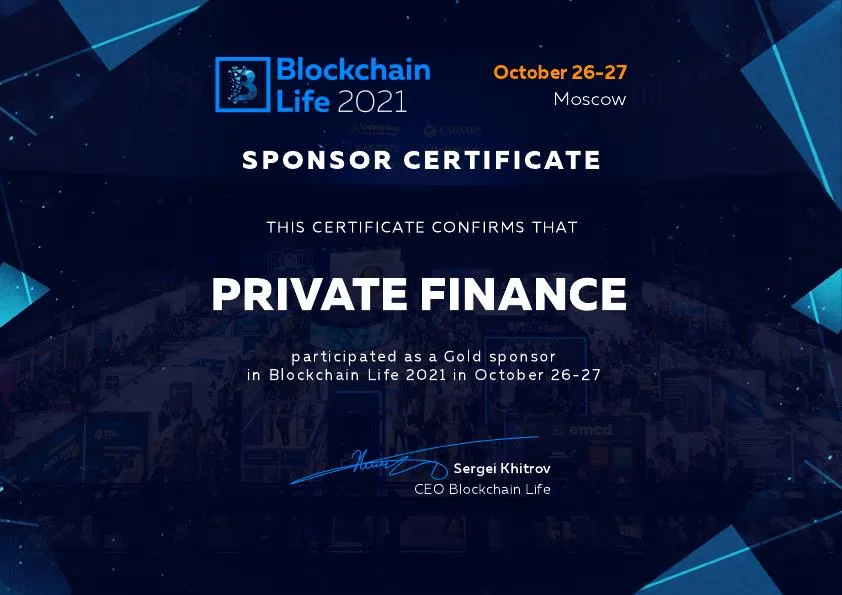
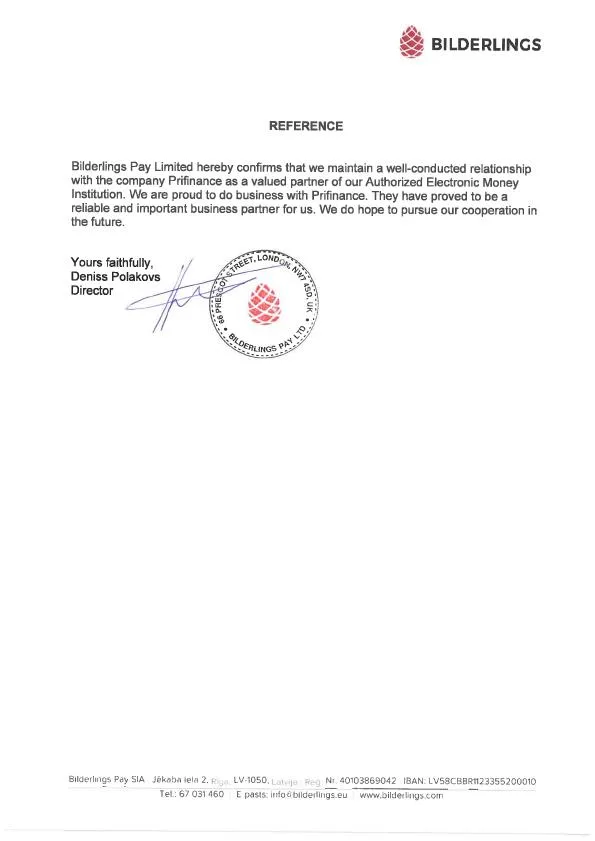
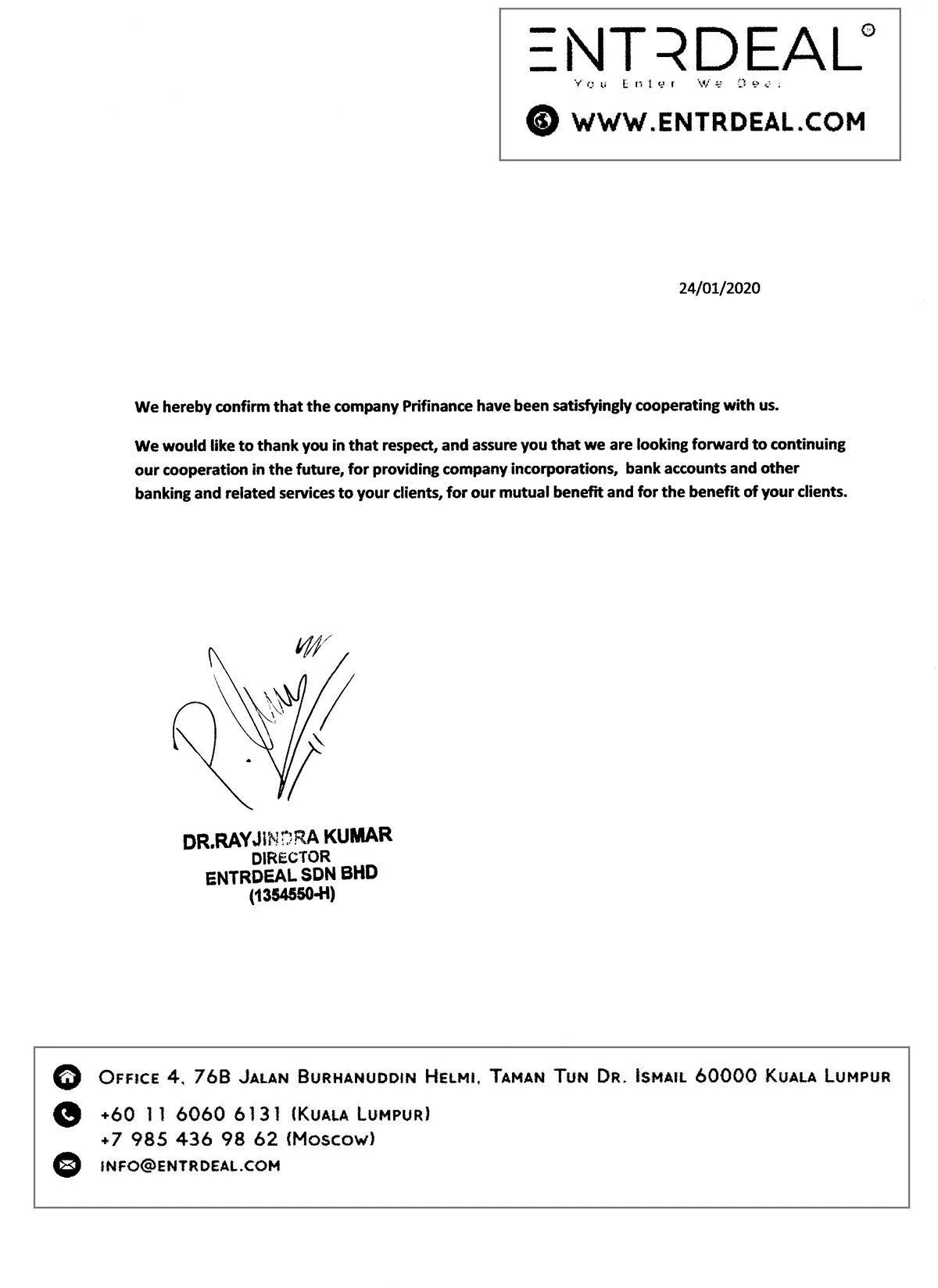
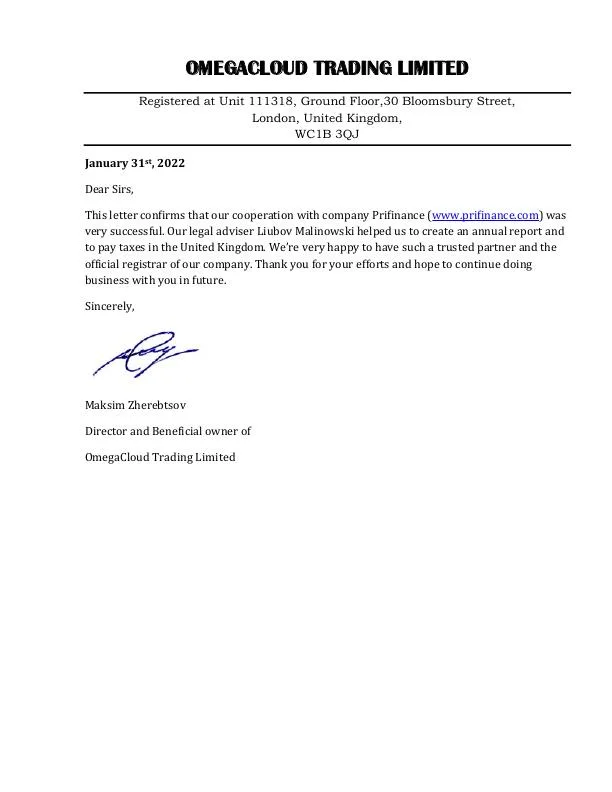
    Letters of recommendations

    Cooperation

    Our partners

    Send an application

    Send your request now and receive our personalized offer!

    Thank you for request!

    Thank you for request!