RU
RU
 ES
ES



Benefits of running a Forex business in Estonia
| EU membership | MiFID II passporting | Digital incorporation | Zero tax on undistributed profits | Low administrative costs |

Full expert support and compliance with all regulatory requirements for a secure start of brokerage activities

| EU membership | MiFID II passporting | Digital incorporation | Zero tax on undistributed profits | Low administrative costs |

of experience in international consulting

crypto licenses obtained

successful complex cases

completed projects

supported jurisdictions

lawyers, auditors, and consultants
Estonia has become one of the most progressive jurisdictions in the European Union for obtaining a forex license and launching an investment business. Thanks to its stable legal framework, advanced digital infrastructure, and favourable tax regime, Estonia is widely chosen by international companies planning to operate in regulated financial markets.
A forex license in Estonia is technically issued as an investment firm license by the Estonian Financial Supervision Authority (Finantsinspektsioon) and allows companies to provide a wide range of investment services, including foreign exchange trading, portfolio management, and brokerage activities. Holding this license grants the right to operate not only in Estonia but across all EEA jurisdictions in accordance with MiFID II passporting rules.
Companies obtaining this license must meet specific requirements, including minimum capital, regulatory compliance, and transparent ownership structures. However, the process is clear and structured, attracting both startups and established corporate entities.
Estonia is not considered an offshore jurisdiction but rather a fully legitimate, regulated environment within the European Union, with active supervision by state authorities and full compliance with AML/CFT, KYC, and MiFID II standards.
Establishing a licensed forex company in Estonia ensures legitimacy, access to the EU financial market, and long-term growth potential within a fully regulated ecosystem.
Obtaining a forex license in Estonia requires compliance with a set of clearly defined legal and operational requirements. These ensure that only serious, compliant, and well-prepared companies are admitted to the Estonian financial market.
Below are the key elements related to meeting regulatory requirements.
| Category | Description |
| Legal entity | The applicant must establish a local company – typically a private limited company (OÜ) or a public limited company (AS). Foreign founders can register via Estonia’s e-Residency program. |
| Capital requirements | Minimum share capital varies: €125,000 (brokerage activities), €730,000 (market making). Capital must be deposited into a local bank account and confirmed by audit reports. |
| Office presence | A physical or virtual office in Estonia is required, along with local operational staff or appointed representatives. |
| Qualified personnel | At least two experienced directors with a strong financial background are required. They must pass fit and proper checks by the authorities. |
| AML/KYC compliance | Companies must implement strict AML/CFT and KYC policies, appoint an AML officer, and maintain risk control documentation. |
| Internal procedures | Detailed manuals are required, covering internal audit, IT systems, complaint handling, and risk management. |
| Corporate governance | A transparent ownership structure with documented ultimate beneficial owners (UBOs). Nominee directors are not allowed. |
| External auditor | Appointment of a certified Estonian auditor is mandatory for all regulated investment firms. |
| Application documents | The full package includes a business plan, compliance strategy, IT architecture, corporate structure, and legal agreements. |
In addition, government fees may apply for document submission, and due diligence checks may be conducted on shareholders, managers, and affiliated persons to verify legitimacy.
Estonian licensing legislation also requires that shareholders and senior management have no criminal record, as well as confirmation of sufficient financial and technical capacity to carry out the declared activities. All foreign documents must be apostilled and officially translated into Estonian or English.
An Estonian forex license allows companies to carry out a wide range of regulated activities, making it a comprehensive solution for financial service providers. Once authorised, a company may provide both core and ancillary investment services in full compliance with European regulatory requirements and MiFID II directives.
Core investment services include:
These activities allow a company to offer a full brokerage model or focus on specific areas such as forex, exchange trading, or derivatives.
Ancillary services may include:
The license also supports cross-border operations through passporting, allowing Estonian investment firms to serve clients across the EU and EEA without additional licensing.
All such activities must be conducted in strict compliance with regulatory obligations, including AML/KYC requirements, reporting, and internal risk control documentation. Companies are also expected to appoint directors and maintain an active office in Estonia.
Within the Estonian Forex License framework, operations are generally allowed with the following categories of instruments:
Estonia has become a leading jurisdiction for obtaining a forex license due to its innovative digital ecosystem, transparent regulatory framework, and favourable business environment. Whether launching a fintech startup or expanding an existing financial company, Estonia offers clear advantages compared to other European and international locations.
Key advantages of the Estonian jurisdiction
| Advantage | Description |
| EU membership | Estonia is part of the European Union and the European Economic Area, providing full access to the single financial market. |
| MiFID II passporting | Licensed entities can provide services across all EEA countries without obtaining separate licenses. |
| Digital incorporation | Through Estonia’s e-Residency program, foreign entrepreneurs can register and manage companies remotely. |
| Zero tax on undistributed profits | Estonia does not tax reinvested profits – corporate tax applies only to distributed dividends (22%). |
| Low administrative costs | Compared to other EU countries, Estonia offers lower operational and licensing fees, as well as reasonable professional service costs. |
| Efficient regulation | Finantsinspektsioon (the Estonian regulator) is known for a clear licensing process, strict supervision, and stable regulation. |
| Modern infrastructure | Digital documentation, real-time banking, and cloud-based compliance tools enable fast setup and ongoing operations. |
In addition, Estonia maintains a strong reputation among authorities, clients, and partners, providing a stable foundation for corporate and regulated activities within the EU. The jurisdiction is particularly favourable for business models involving cross-border currency exchange, fund administration, or investment account management.
By complying with local legislation and operating under active regulatory supervision, Estonian companies demonstrate operational integrity and long-term legitimacy in the eyes of international clients and regulators.
Obtaining a forex license in Estonia is a structured process regulated by the Finantsinspektsioon. Despite the transparency of the application procedure, careful attention to compliance, documentation, and planning is required to avoid delays.
Licensing process
| Stage | Description |
| 1. Company registration | Establish a legal entity in Estonia (OÜ or AS). Foreign founders may use e-Residency for online registration. Open a corporate account, deposit share capital, and appoint initial directors. |
| 2. Document preparation | Prepare a full application package, including: business plan, financial projections, IT systems overview, internal procedures (AML, KYC, audits), and a complete compliance strategy. |
| 3. Submission to the regulator | Submit the full application package to Finantsinspektsioon along with proof of fee payment, notarised corporate documentation, and AML/KYC manuals. |
| 4. Regulatory review | The regulator assesses the company’s organisational, legal, and technical readiness. Requests and additional documents may be required. |
| 5. Licensing decision | If all legal requirements are met, the license is issued within 60–90 days from the date of complete submission. The official review period, by law, cannot exceed 6 months. |
The efficiency of the licensing process depends on the completeness and quality of the documentation, as well as on professional support from legal advisors or lawyers familiar with Estonian financial law.
Timely communication with regulators and proactive submission of supporting information ensure a smoother approval process. Companies that neglect due diligence, IT architecture, or AML/KYC obligations may face delays or even rejection.
The process of obtaining a forex license in Estonia is carried out in stages and requires thorough preparation of corporate and regulatory documentation. With proper organisation and professional support, timelines remain predictable and allow companies to plan the launch of brokerage activities:
| Activity | Duration |
| Company registration | 1–2 weeks |
| Document preparation | 3–6 weeks |
| Regulatory review | 2–3 months |
| Total estimated timeframe | 3–5 months |
The cost of licensing consists of mandatory government fees, legal support expenses, notary services, document translations, and banking fees. The final budget is determined individually, depending on the project structure and chosen business model. Prifinance specialists help clients efficiently organise the process and control costs, minimising expenses without compromising the quality of preparation.
One of the most attractive features of establishing a licensed forex company in Estonia is its unique business-friendly tax regime. Unlike traditional jurisdictions, Estonia applies corporate tax only to distributed profits, not retained earnings, which encourages reinvestment and growth.
Key tax advantages for forex businesses
| Tax element | Application in Estonia |
| Corporate income tax | 0% on retained earnings; 22% only on distributed dividends |
| Withholding tax on dividends | 0% for non-resident shareholders (unless otherwise specified by a treaty) |
| VAT (value-added tax) | Financial services and currency exchange are generally VAT-exempt |
| Payroll taxes | 33% social tax on gross salary, plus unemployment insurance (0.8% employer / 1.6% employee), and 20% income tax |
| Reporting requirements | Annual financial statements and tax returns must be submitted via Estonia’s e-Tax portal |
| Audit obligations | Mandatory annual audits for most regulated investment firms |
This structure allows companies to legally optimise their tax position while fully complying with EU standards. Corporate tax does not apply to profits retained in the company or reinvested into its development.
Companies are also required to strictly comply with reporting and compliance obligations, including periodic submission of audited financial statements, adherence to AML procedures, and transparency of fund flows.
The clarity and predictability of Estonia’s tax system make it an ideal jurisdiction for investment and forex businesses, especially for companies aiming to build efficient cross-border structures.
| Fast license processing
Optimised processes reduce the risk of errors and allow for shorter licensing timelines. |
| Full turnkey support
Assistance at all stages: from document preparation to obtaining the license. |
| Many years of international experience
Expertise in licensing and financial regulation. |
| A team of qualified experts Specialised lawyers and fintech consultants with extensive experience. |
| Transparent cooperation terms
All terms are agreed upon in advance, ensuring predictability and confidence at every stage. |
Our team brings together specialists with many years of experience in financial regulation, international corporate law, and investment company licensing. We have supported projects for obtaining forex licenses across various jurisdictions, ensuring full compliance with regulatory requirements, preparation of AML/KYC policies, and the establishment of proper corporate structures.
Our practical experience in working with regulatory authorities, banks, and infrastructure providers enables us to take a comprehensive approach to launching brokerage businesses. We pay special attention to detail, risk management, and legal accuracy, ensuring our clients a stable and predictable licensing process.


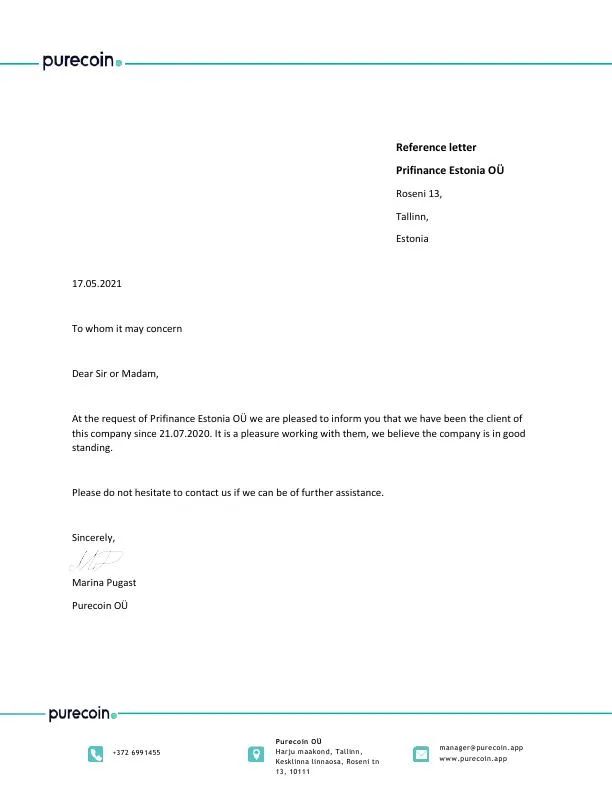
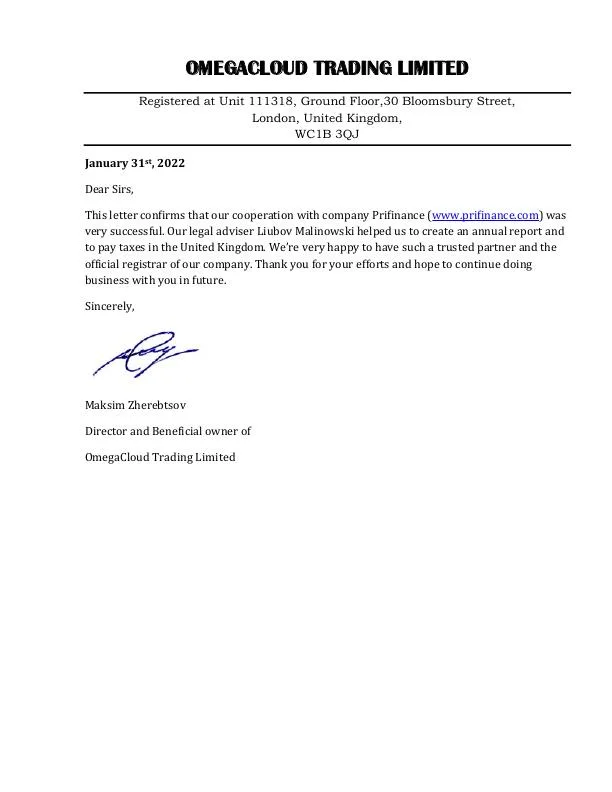
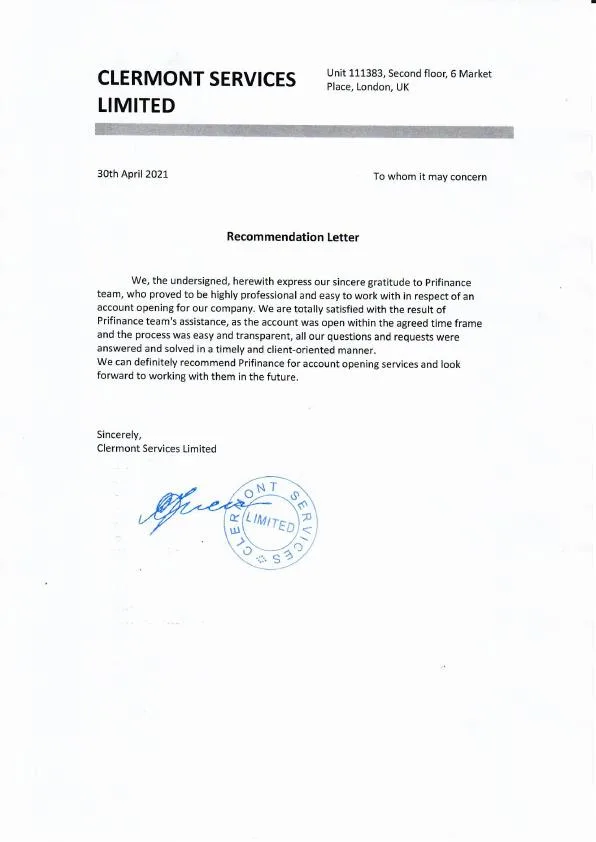
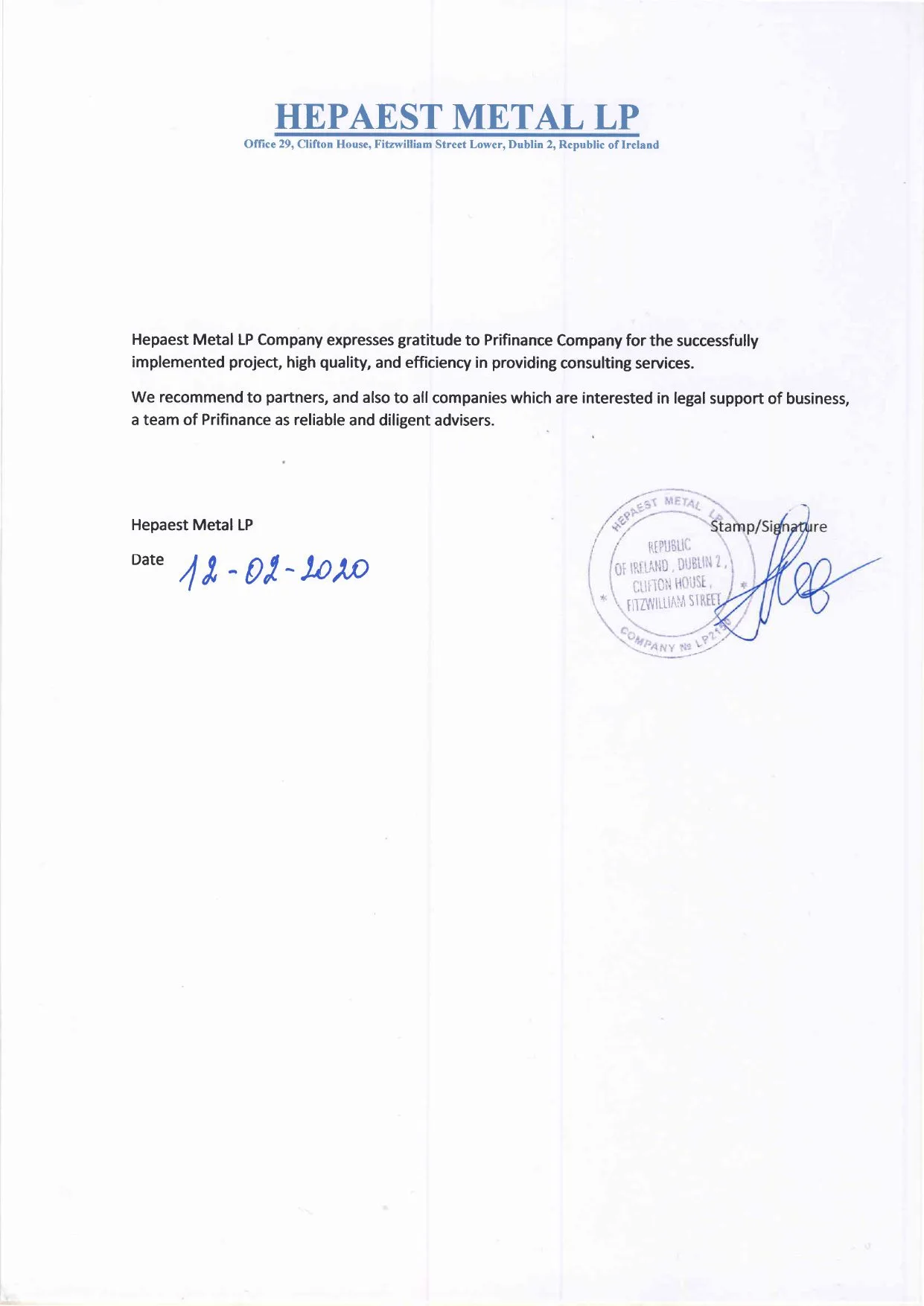
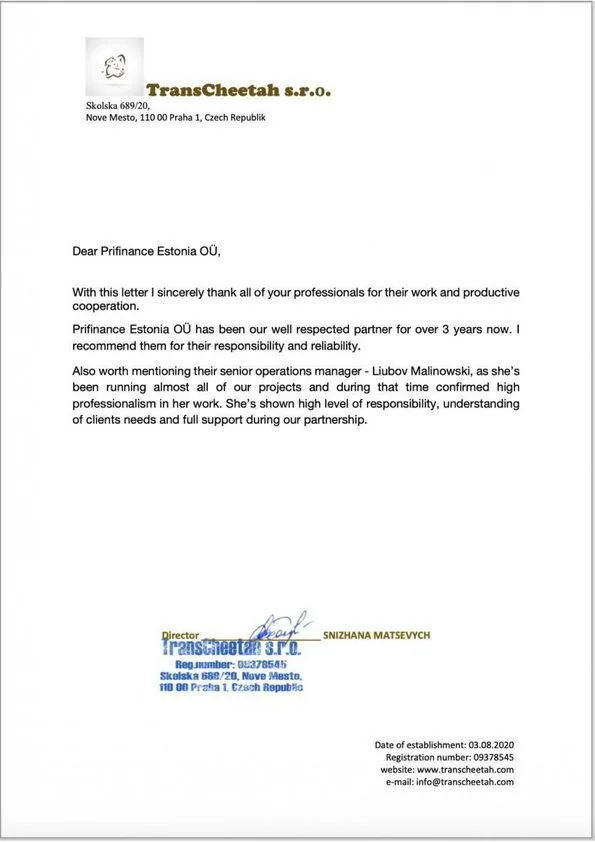
Testimonials



A forex license in Estonia is officially issued as an investment firm license by the Estonian Financial Supervision Authority (Finantsinspektsioon), allowing regulated trading in currencies, CFDs, and securities within the EU.
No. Estonia is a fully regulated EU jurisdiction with a strong legal framework. It is not considered offshore and has a high reputation among clients and regulators.
Depending on the business model, the required capital ranges from €125,000 to €730,000. The funds must be deposited into a corporate account and confirmed by audited reports.
The full process - company formation, document preparation, and regulatory approval - takes approximately 3 to 5 months.
Yes. Estonia’s e-Residency program allows foreign entrepreneurs to fully register and manage a company online, including opening accounts and signing official documents.
Estonian companies pay 0% corporate tax on retained earnings and 22% only on distributed dividends. This provides significant advantages compared to other jurisdictions.
Yes. Companies must develop comprehensive compliance manuals, appoint an AML officer, and comply with KYC, due diligence, and AML/CFT requirements as part of licensing obligations.
Yes. Estonia is a member of the EU/EEA, so licensed firms can provide services to clients across all member states without additional licenses.
Yes, the Estonian license allows a wide range of services, including advisory, trading, asset management, and financial reporting, depending on the scope declared in the application.
In addition to share capital, companies should consider administrative fees, legal costs for document preparation, as well as potential expenses for office setup, compliance systems, and mandatory audits.
Cooperation