
Header Background

Lithuania Crypto License for Your Exchange: Fast, Legal, EU-Ready

Get a crypto license in Lithuania with the support of our professionals. Send Request

  • Transparent requirements
  • Banking cooperation
  • Low tax
  • Timeframe: from 3 months
  • Taxes: 15%
Specialist - Partner
Expert with 15 years of experience in FinTech, payments, and business strategy.
Table of contents
Table of contents
Send an application

Send your request now and receive our personalized offer!


    Why Lithuania is a strategic choice for a MiCA crypto license

    Lithuania has become a strategic jurisdiction for entering the EU market with a Lithuanian crypto authorization, as since 2024 all new registrations are regulated under MiCA (Markets in Crypto-Assets Regulation). Every new crypto license in Lithuania is now issued under the MiCA framework.

    MiCA offers the following advantages:

    • Passporting rights: A single authorization issued in Lithuania grants access to the entire EU market.
    • Regulatory consistency and harmonization: All VASPs and crypto exchanges must comply with unified requirements.
    • Enhanced consumer and investor protection.
    • Transparent application process and clear requirements.
    • Ongoing supervision by the Bank of Lithuania as the national competent authority.

    Every licensed company is required to comply with MiCA rules regarding capital, adherence, consumer protection, financial transparency, and cash flow.

    The supervision of VASPs (Virtual Asset Service Providers) is carried out by the Bank of Lithuania, acting as the competent authority under MiCA. Its functions and powers are aligned with those of other EU member states – aimed at simplifying market entry for international companies while ensuring minimum standards for AML, KYC, and overall security.

    Advantages of working with Prifinance:

    30 years

    of experience in international consulting

    400+

    crypto licenses obtained

    100+

    successful complex cases

    10 000+

    completed projects

    40

    supported jurisdictions

    100+

    lawyers, auditors, and consultants

    Types of activities under the Lithuanian crypto license within the MiCA framework

    Under the new MiCA regulation, a Lithuanian crypto license grants the right to operate as a VASP (Virtual Asset Service Provider) and legally offer regulated crypto services across the entire EU.

    A crypto exchange or operator holding a Lithuanian cryptocurrency exchange license may carry out the following types of activities in accordance with MiCA:

    Type of activity Description MiCA classification
    Crypto exchange services Operating platforms to buy, sell, or exchange cryptocurrency or virtual assets (including fiat/crypto and crypto/crypto pairs). Crypto exchange
    Crypto wallet and custody Storing digital assets, providing secure crypto wallets, and managing private keys. Custodian wallet provider
    Crypto transfers and payments Executing cryptocurrency transactions, transferring assets on behalf of clients, or processing crypto payments. Transfer/payment service
    Token and crypto-asset issuance Initial Coin Offerings (ICOs), Security Token Offerings (STOs), or launching new cryptocurrencies. Crypto-asset issuer
    Brokerage and order execution Acting as a broker for crypto-asset transactions, executing client orders, or facilitating crypto trading. Crypto broker/dealer
    Crypto advisory and portfolio management Providing investment advice, portfolio management, or other financial services related to crypto-assets. Advisory/asset management

    Key points:

    • Under MiCA, the rights and obligations associated with a crypto exchange license in Lithuania are clearly defined.
    • All types of activities must be disclosed in the application and registered with the Bank of Lithuania.
    • Companies are required to establish a robust adherence system, including AML, KYC, and data protection measures.

    Important!

    Companies may:

    • Apply for a comprehensive cryptocurrency authorization covering multiple types of activities,
    • Or choose a specialized license – for example, for cryptocurrency exchange only or wallet/custody only.

    According to Lithuanian law and MiCA rules, each service requires separate authorization so regulators can clearly delineate responsibilities and ensure effective supervision.

    Advantages of obtaining a crypto license in Lithuania

    Lithuania remains one of the most convenient and attractive options for entering the European crypto market – both for startups and established crypto companies. With the introduction of MiCA, the licensing procedure has become more transparent, delegable, and legally refined.

    1. Full access to the EU market

    • A cryptocurrency license grants the right to serve clients in all 27 EU and EEA countries under a unified law.
    • The cryptocurrency license acts as a passport for providing crypto services without the need for additional local registrations.

    2. Fast and predictable licensing

    • Compared to other EU countries, the application and review process is simpler and more understandable in terms of law.
    • The Bank of Lithuania ensures a clear and structured procedure, especially for companies with prepared documentation and a well-established adherence system (AML, KYC, data protection).
    • Even with higher initial preparation costs, companies save time during registration.

    3. Favorable regulatory environment

    • The regulator is open to the virtual asset market and supports industry development.
    • Lithuanian VASPs can benefit from more flexible corporate structures.
    • Up to 95% of current Lithuanian legislation already aligns with MiCA standards, ensuring a smooth transition and business continuity.

    4. Low costs and attractive taxation

    • The costs of company formation and operations are among the lowest in the EU.
    • A simple and competitive tax regime with clear rules for cryptocurrency businesses.

    5. Banking and infrastructure support

    • Lithuanian crypto companies can open local and international bank accounts, accept payments, and work with numerous payment providers.
    • Experienced regulatory officers, lawyers, and specialized consultants are also available.

    6. Developed and supported ecosystem

    • Dozens of companies in virtual currencies, fintech, and blockchain are actively growing.
    • The government supports tech projects and actively invests in digital innovation.

    Main benefits

    Advantage Details
    Access to the EU market Single license = access to all EU/EEA countries
    Registration speed Predictable, fast processing time
    Business-friendly taxation Competitive corporate income tax (15–20%)
    Regulatory compliance support Local experts in AML, KYC, and regulatory matters
    Modern legal framework Smooth transition to MiCA, clear rules
    Banking and payments Local/international accounts available for crypto companies

    Prifinance provides full support at every stage of obtaining a cryptocurrency license – from selecting the corporate structure and preparing the documentation package to liaising with the Bank of Lithuania and providing post-licensing assistance. We help clients effectively leverage the opportunities of the jurisdiction while ensuring full MiCA adherence and minimizing regulatory risks.

    Comparison: Lithuania Crypto License (MiCA) vs. other jurisdictions

    The MiCA regulation provides companies obtaining a Lithuanian crypto license with a level playing field compared to leading European and global crypto jurisdictions.

    Below is a comparison of the Lithuanian license with other major markets:

    Jurisdiction License type Regulator Market access Corporate tax Setup time Key advantages Compliance burden
    Lithuania (MiCA) MiCA VASP  Bank of Lithuania / ESMA Full EU/EEA 15–20% 2–4 months EU passporting, fast and predictable process High (MiCA)
    Estonia (MiCA) MiCA VASP  FIU / ESMA Full EU/EEA 20% 3–5 months Crypto ecosystem, EU access High (MiCA)
    United Kingdom FCA Crypto Asset Registration FCA UK, EEA (limited) 19% 4–8 months Strong legal certainty, reputable regulator High
    USA MSN FinCEN, State Regulators USA only 21%+ (state dependent) 6–18 months Huge market, strong investor protection Very High
    Dubai (VARA/DMCC) VARA/DMCC Crypto  VARA, DMCC, ADGM UAE, MENA 0% / 9% 1–3 months Tax efficiency, fast-track process, no currency restrictions Moderate/High
    Switzerland FINMA/SRO  FINMA, SRO Switzerland, global 12–18% 2–6 months Crypto Valley, flexible tax options, SRO model Moderate/High

    Key advantages of the Lithuanian crypto license compared to other jurisdictions

    • A cryptocurrency authorization under MiCA provides access to the entire EU and EEA area, unlike jurisdictions with limited national regimes (e.g., the United Kingdom or the United States).
    • Lithuania offers one of the fastest and most predictable licensing processes within EU legislation, supported by local experts.
    • Tax rates and setup costs remain competitive compared to Western European countries and the U.S.
    • Despite the high compliance requirements under MiCA, they are balanced by legal certainty and unique access to all major EU markets.
    • Despite the high compliance requirements under MiCA, they are balanced by legal certainty and unique access to all major EU markets, making the Lithuania crypto license requirements an attractive starting point for businesses.

    Everything you need to know about a crypto activity license in Lithuania

    Category Details
    License type Lithuania crypto and crypto exchange license in Lithuania
    Regulator Bank of Lithuania
    Legal framework EU MiCA Regulation (Markets in Crypto-Assets)
    Jurisdiction coverage All EU and EEA countries (via passporting)
    Types of activities Exchange (crypto – crypto, fiat – crypto), custody, wallet solutions, payments
    Time to obtain Typically 2–3 months (if documents are fully prepared)
    Minimum share capital €125,000–€150,000 (depending on business scope)
    Presence requirements Lithuanian UAB, physical office, local compliance officer
    Tax rate 15% (corporate income tax)
    VAT Most crypto services are VAT-exempt
    Accounting & reporting Annual financial reporting and audit required
    Compliance obligations AML, KYC, transaction monitoring, reporting, internal policies
    License duration Unlimited, subject to annual renewal and compliance
    Additional conditions Each new service requires separate authorization
    Lithuania’s advantages Fast process, clear regulation, low costs, DTAs, developed fintech ecosystem
    Risks without a license Fines, sanctions, reputational damage, possible criminal liability

    Obligations and requirements for obtaining a crypto license in Lithuania

    Obtaining a cryptocurrency exchange license requires applicants to meet legal, organizational, and compliance obligations.

    These requirements apply to both new applicants and existing VASPs.

    All entities are subject to oversight by the Bank of Lithuania and must adhere to the unified EU-wide MiCA standards.

    Below are the minimum conditions for obtaining the authorization:

    Requirement Description
    Company registration Establishment of a Lithuanian legal entity (UAB). 100% foreign ownership is allowed.
    Physical presence Registered office and local management in Lithuania. Physical and operational presence is mandatory.
    Share capital Minimum paid-up share capital (typically €125,000–€150,000 or more, depending on the type of activity).
    Governance and compliance Appointment of a competent management board and compliance officer. All must pass background checks and “fit and proper” tests.
    AML/KYC compliance Comprehensive Anti-Money Laundering (AML) and Know Your Customer policies in line with MiCA, Lithuanian, and EU laws.
    Internal controls Implementation of internal control systems, IT security, risk management, and audit procedures.
    Business plan Detailed business plan, financial forecasts, and documentation demonstrating compliance readiness.
    Submission documentation Submission of all required documents to the Bank of Lithuania, including policies, manuals, and personal data of directors/UBOs.
    Ongoing reporting Regular reports to the regulator: financials, AML activity, compliance audits, etc.
    Application fee Payment of government and regulatory fees.

    Important considerations:

    • Each Lithuanian cryptocurrency license covers only the specific activities listed in the initial filling. Expanding services requires submitting a new authorization request.
    • The licensing authority may request meetings with management, clarifications, and additional information before full compliance is confirmed.
    • A licensed company is required to continuously comply with AML, CFT, and consumer protection regulations.

    Basic requirements

    Category Requirements for a Crypto License in Lithuania (MiCA)
    Legal entity UAB (Private Limited Liability Company), 100% foreign ownership allowed
    Capital €125,000–€150,000+ (depending on the services offered)
    Management Local director/compliance officer, must be professional and fit & proper
    Office Registered office, physical presence in Lithuania
    AML/KYC Mandatory, with detailed policies required
    IT & security Strong internal systems and audit mechanisms
    Regulator Bank of Lithuania, oversight by ESMA

    Prifinance provides comprehensive support in meeting regulatory requirements for obtaining a crypto license. We prepare the complete set of documents – including AML/KYC policies, business plan, and internal procedures – ensure full compliance with MiCA standards, and manage communication with the Bank of Lithuania. Thanks to our experience, you go through the licensing process confidently and without critical errors.

    Registration of a crypto company in Lithuania: Steps and timeline

    The process of obtaining a Lithuanian cryptocurrency exchange license under the MiCA regulation involves sequential stages that require close coordination with the Bank of Lithuania and extensive pre-submission preparation of all compliance documentation for the regulator.

    Key steps:

    1. Preliminary planning and jurisdiction analysis

    • Defining the intended cryptocurrency services (cryptocurrency exchange, custody, transfer, brokerage, etc.);
    • Engaging local legal and compliance consultants.

    2. Company register

    • Establishing a Lithuanian UAB (private limited liability company);
    • Appointing directors, a compliance officer, and selecting a local office.

    3. Documentation preparation

    • Drafting all required policies and procedures: AML/KYC, risk management, IT security, and the business plan;
    • Collecting and organizing the complete set of corporate and regulatory documentation for submission.

    4. Document filling

    • Filling the complete documentation package with the Bank of Lithuania;
    • Paying registration and government fees.

    5. Regulatory review

    • Review of documentation, potential requests for clarifications, interviews with management;
    • Assessment of internal controls and all compliance systems.

    6. License issuance

    • Upon approval, the license is granted and regulated operations may begin.

    7. Post-licensing compliance

    • Ongoing adherence to AML/KYC regulations, regular reporting to the Bank of Lithuania, and annual license renewal.

    Typical timelines

    Stage Estimated duration
    Company setup & planning 1–2 weeks
    Document preparation 2–4 weeks
    Application review 4–8 weeks (may vary)
    Total (on average) 2–3 months

    Notes:

    • Application timelines depend on the complexity of the business model, the regulator’s workload, and the completeness of the submission.
    • MiCA introduces stricter review criteria and more detailed documentation requirements compared to the previous VASP regime in Lithuania.
    • Consult with local compliance experts in advance to avoid delays.

    Taxation of companies with a Lithuanian crypto license

    Operating under a Lithuanian cryptocurrency exchange license allows companies to benefit from one of the most transparent and business-friendly tax regimes in the EU. Understanding Lithuania’s tax system is essential for maintaining cost control and ensuring compliance with regulatory requirements.

    Key tax features

    Tax type Rate/regime Notes
    Corporate income tax 15% (standard rate for most companies) May be reduced for small businesses; certain incentives may apply
    Personal income tax 20%-32% (progressive) Applies to employees and shareholders on salaries/dividends
    VAT 21% (standard); generally not applied to crypto exchange services Ancillary services may be subject to VAT
    Withholding tax 15% on dividends to non-EU shareholders; 0%/reduced under treaties Many double taxation treaties reduce or eliminate withholding tax
    Capital gains tax Corporate profits taxed as business income No separate capital gains tax for companies
    Other local taxes Minimal; municipal taxes may apply Substance requirements must be observed

    Tax incentives for crypto businesses

    Key tax advantages

    1. Low effective tax rate:
    The corporate income tax is 15%, one of the lowest rates in the EU for licensed financial and virtual asset service providers.

    2. Clear accounting criteria:
    Lithuanian tax authorities have issued detailed guidance on the accounting of cryptocurrency transactions and the valuation of virtual assets.

    3. No special crypto tax:
    Crypto business income is treated as regular corporate income, simplifying tax compliance.

    4. Double Taxation Avoidance Agreements (DTA):
    Lithuania has signed a wide range of DTAs, helping to minimize withholding taxes and cross-border tax liabilities for international investors.

    Tax compliance requirements

    1. Annual reporting and audit:
    All companies holding a Lithuania crypto license must submit audited financial statements and annual tax returns.

    2. Substance requirements:
    To qualify for local tax rates, businesses must demonstrate actual presence, including a local office, employees, and operational activity.

    3. Transfer pricing:
    Cross-border transactions within group companies are subject to standard EU transfer pricing rules.

    Tax type Standard rate Applies to
    Corporate income tax 15% Company profits
    VAT 21% (exempt for core crypto services) Most goods/services (not crypto exchanges)
    Withholding tax 0–15% (based on treaty) Dividends, royalties, etc.

    FAQ

    1. What is the Lithuania cryptocurrency license under the MiCA regulation?

    It is a valid authorization issued by the Bank of Lithuania under the EU MiCA regulation, allowing the provision of virtual asset services (cryptocurrency exchange, custody, brokerage, payments) within the EU/EEA.

    2. What types of activities are covered by the cryptocurrency exchange license in Lithuania?

    Operation of a cryptocurrency exchange, conducting crypto-to-crypto and fiat-to-crypto transactions, asset custody, wallet services, and crypto payment processing. The licence is issued based on the list of services specified in the application.

    3. What is the minimum share capital required to obtain the Lithuanian cryptolicense?

    Usually from €125,000 to €150,000, depending on the volume and type of activity.

    4. How long does it take to obtain the Lithuanian license?

    Typically 2-3 months, provided the application and documentation fully comply with MiCA requirements.

    5. Is physical presence in Lithuania required?

    Yes. It is necessary to register a Lithuanian company, have a physical office, and appoint a local compliance manager to confirm the presence of substance.

    6. Can the Lithuanian license be used throughout the EU?

    Yes. A licence issued under MiCA allows for passporting rights throughout the EU/EEA without obtaining additional authorizations.

    7. What are the tax obligations of licensed companies?

    The corporate tax rate is 15%. Annual financial reporting is mandatory. Most crypto services are exempt from VAT.

    8. What compliance requirements apply?

    Regular AML/KYC checks, transaction monitoring, regulatory reporting, and financial audits in accordance with EU and Lithuanian legislation.

    9. How does Lithuania compare to other EU countries in terms of licensing?

    Lithuania is known for its efficiency and transparency of procedures, has a favorable tax regime, and is considered a preferred jurisdiction for entering the regulated EU crypto space.

    10. What are the risks of operating without a Lithuanian cryptocurrency license?

    Violating the law leads to sanctions, fines, reputational damage, and in some cases – criminal liability. A valid Lithuania cryptocurrency license is required for lawful operations.

    Expert team in crypto licensing

    The Prifinance team is a group of experienced experts in international law, cryptocurrency licensing, financial compliance, and VASP project support. Our specialists possess high qualifications, deep understanding of European regulatory requirements, and practical experience in supporting projects in Ireland and other jurisdictions.
    Each of us is not just a consultant but a partner who understands the client’s business goals and knows how to effectively structure the process, taking into account all legal, operational, and tax nuances. Through ongoing interaction with regulators, banks, and specialized institutions, we support clients at every stage, from the first consultation to stable operation in a regulated market.

    Our experts

    Our team consists of professionals with deep knowledge of the MiCA regulation and proven experience in successfully guiding projects through the process of obtaining a Lithuania crypto license. We provide full legal and compliance support – from document preparation and communication with the Bank of Lithuania to post-licensing assistance, for both startups and international VASP companies.

    Eugeniu Bevziuc
    Specialist - Partner
    International business consultant in company setup, remote and multilingual work
    Crypto Expert Nikolai Timofejev
    Specialist - Partner
    Expert with 15 years of experience in FinTech, payments, and business strategy.
    Oleksii Kindratenko
    Specialist - Partner
    Expert in company registration, financial licenses, AML and tax consulting.

    Work with experts who understand your goals

    Talk to our experts and get a clear path forward to bring your ideas to life and grow your business
    Submit your application now

    Testimonials

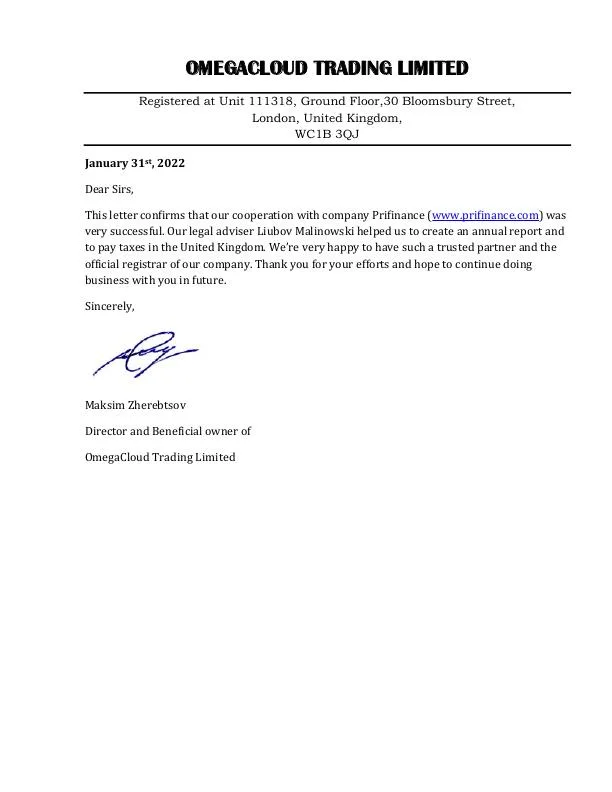
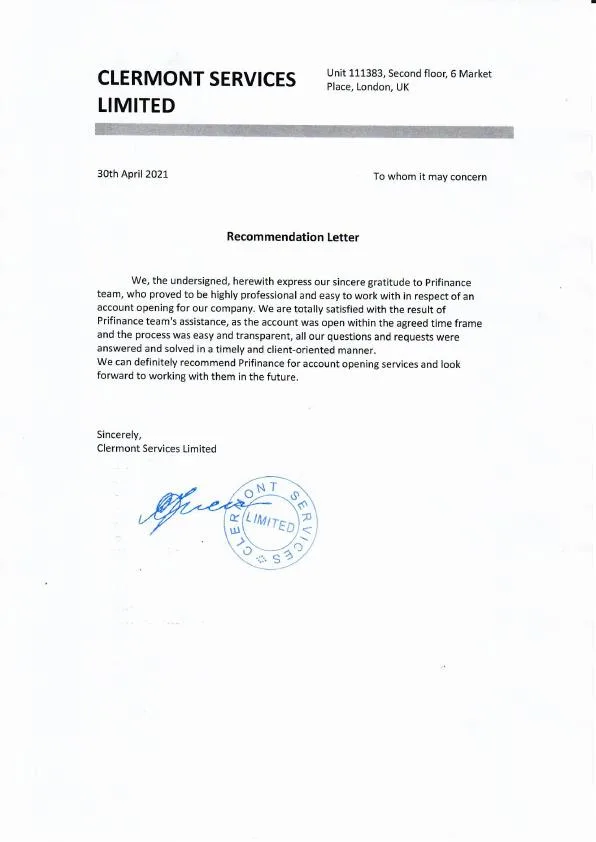
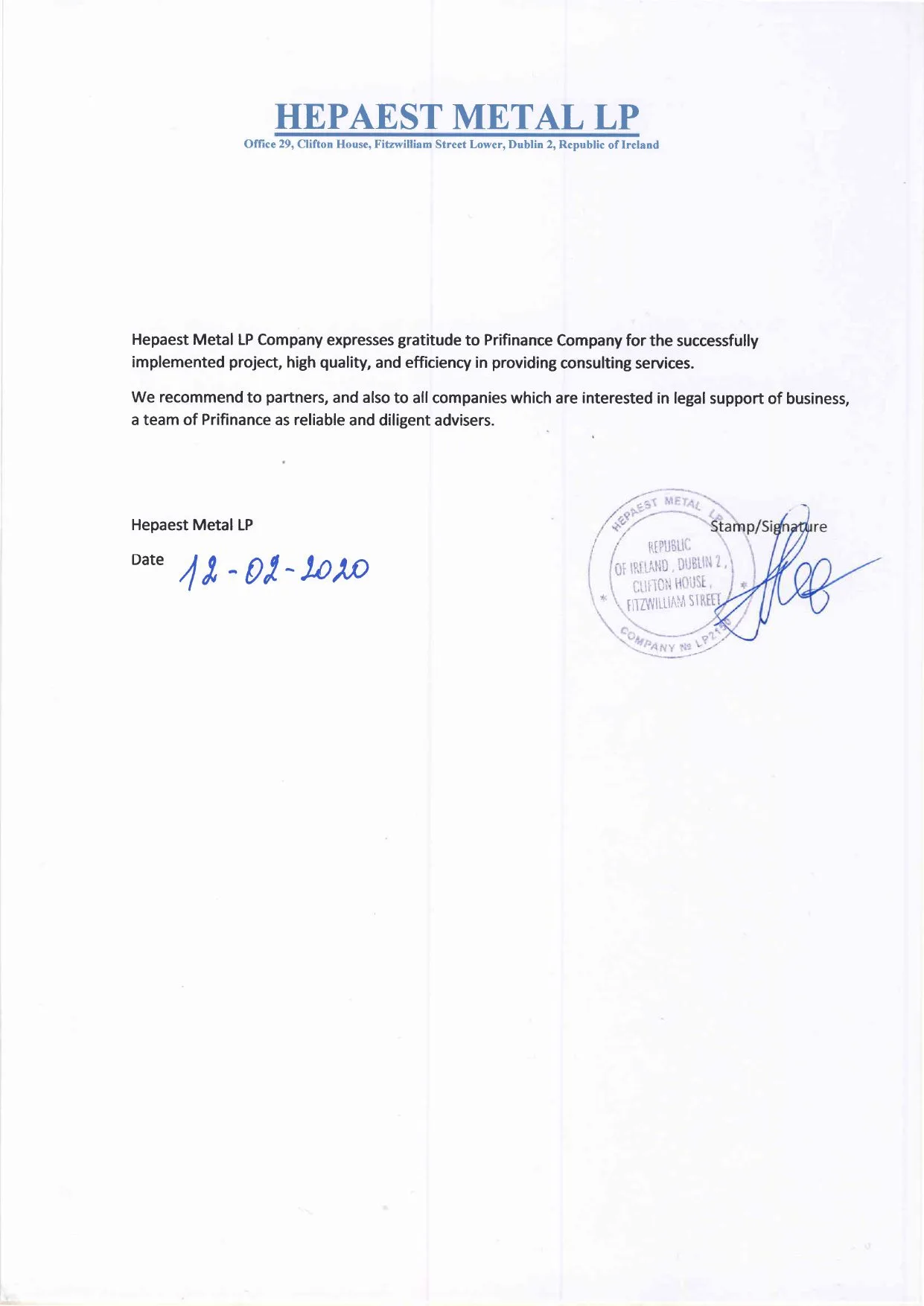
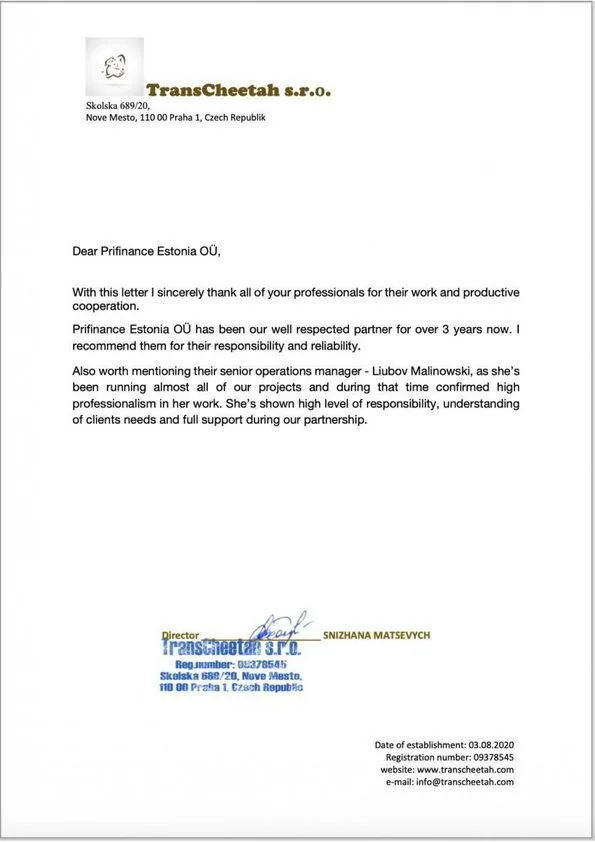
    Letters of recommendations

    Cooperation

    Our partners

    Send an application

    Send your request now and receive our personalized offer!

    Thank you for request!

    Thank you for request!