RU
RU
 ES
ES



What makes Mauritius advantageous for an international broker?
| Recognized regulatory framework | Low capital requirements | Favorable taxation | Legal certainty | Global legitimacy |
Gain access to international markets and scale your operations with our professional support

| Recognized regulatory framework | Low capital requirements | Favorable taxation | Legal certainty | Global legitimacy |

of experience in international consulting

crypto licenses obtained

successful complex cases

completed projects

supported jurisdictions

lawyers, auditors, and consultants
Obtaining a forex brokerage license in Mauritius has become a strategic step for companies seeking to provide lawful and regulated brokerage services in a reputable offshore jurisdiction.
The Financial Services Commission of Mauritius (FSC Mauritius), the official regulator of non-bank financial markets, oversees the issuance of authorizations and the supervision of licensed investment firms, including those operating in forex and derivatives markets.
The Mauritius forex license falls under the category of an Investment Dealer License, which allows companies to offer brokerage services and currency trading services worldwide.
The legal framework is based on the Securities Act 2005 and related regulations, ensuring compliance with international AML/CFT standards and regulatory requirements.
To become a fully authorized and regulated forex broker in Mauritius, an applicant must meet a specific set of regulatory requirements.
Key licensing requirements
| Requirement type | Description |
| Company registration | First, a Global Business Corporation (GBC) must be registered in Mauritius. This is the appropriate company type for holding an Investment Dealer license. |
| Minimum capital | For a Full-Service Dealer (excluding underwriting), a fully paid-up stated capital of 1,000,000 MUR (~$22,000) must be deposited. It must be maintained at all times. |
| Local office | A physical office in Mauritius is required. Virtual offices are not permitted. All business records must be accessible locally. |
| Directors | At least two resident directors in Mauritius with experience in the financial sector are required. Their profiles undergo strict fit-and-proper checks. |
| Compliance officer and MLRO | A qualified local Compliance Officer and Money Laundering Reporting Officer (MLRO) must be appointed. Both roles are critical for meeting regulatory requirements. |
| Appointment of auditor | A licensed local auditor from the approved Financial Reporting Council list must be engaged. |
| Opening a bank account | A corporate account must be opened with a licensed Mauritian bank for capital deposit and operations. |
| Internal documentation | Includes KYC/AML policies, risk management procedures, operational manuals, IT security controls, and client fund segregation rules. |
| Personal due diligence | All shareholders, directors, and executives must provide a full KYC package: passports, proof of address, CVs, references, and police clearance certificates. |
| Business plan | The application must include a 3-year financial and operational forecast describing products, clients, target jurisdictions, liquidity providers, and staffing. |
List of supporting documents:
The application is submitted to the FSC through a licensed management company. The FSC reviews the documentation, assesses integrity and legal structure, and may request interviews with key individuals.
Companies that do not demonstrate real local presence and effective management from Mauritius risk refusal or suspension of the license after issuance.
Depending on the specific license category, a firm may operate as a full-service broker, an order-executing dealer only, or an investment advisor.
| License type | Permitted activities | Min. Capital (MUR) |
| Investment Dealer (Full Service – with underwriting) | Order execution, dealing on own account, brokerage services, market making, securities underwriting | 10,000,000 |
| Investment Dealer (Full Service – without underwriting) | All of the above except underwriting. Ideal for forex brokers and FX CFD providers | 1,000,000 |
| Investment Dealer (Broker) | Execution of client orders, brokerage services, and regulated advisory services on financial instruments | 700,000 |
| Investment Dealer (Discount Broker) | Execution only; no advisory or portfolio management | 600,000 |
A company holding any of the above licenses is considered an authorized and regulated entity under FSC supervision, provided it complies with ongoing supervisory obligations.
Forex brokerage and trading services
The license allows firms to act as intermediaries in executing transactions on the foreign exchange (forex) market, with CFDs and other derivative instruments. In particular, a licensed broker in Mauritius may:
These services may be provided to global clients without restrictions on local targeting, making Mauritius a preferred location for offshore brokers seeking market legitimacy within a recognized regulatory framework.
The license allows brokers to work with a wide range of financial instruments in full compliance with FSC regulatory requirements and international standards:
Mauritius combines the benefits of low-cost offshore access with full regulatory recognition, making it a top-tier choice for modern forex and investment companies.
| Advantage | Description |
| Recognized regulatory framework | The Financial Services Commission (FSC), a government-backed regulator, ensures strict licensing and supervision of all financial entities. Mauritius is no longer on the FATF grey list, confirming its compliance with global standards. |
| Legal certainty | The country operates under a hybrid legal system based on English common law and the French civil code, providing predictability for international business. |
| Favorable business environment | Low capital requirements, fast incorporation, and efficient regulator interaction attract both startups and established brokers. |
| Favorable taxation | An 80% exemption on qualifying income reduces the effective corporate tax rate to around 3%, making Mauritius one of the most tax-efficient options globally. |
| Global legitimacy | Unlike many purely offshore centers, Mauritius has over 40 Double Taxation Avoidance Agreements (DTAs), facilitating banking access, fund repatriation, and investor confidence. |
| Political and economic stability | Mauritius has a stable government, rule of law, and modern infrastructure, all important for building a long-term corporate reputation. |
Unlike less transparent jurisdictions, Mauritius complies with international standards, including the OECD principles on Base Erosion and Profit Shifting (BEPS) prevention and enhanced AML/CFT frameworks. The jurisdiction is particularly suitable for companies seeking to serve global clients while maintaining regulatory standards without the high costs of European or Tier-1 jurisdictions.
The Mauritius FSC cooperates with international regulators, ensuring cross-border compliance. This facilitates licensed companies’ access to banking services, payment infrastructure, and market recognition, and enables brokers to expand operations across Asia, the Middle East, and Africa.
The process of applying for a forex license in Mauritius is relatively straightforward, but requires thorough preparation. Regulators assess not only formal documentation, but also the substance and intentions of the company.
Licensing stages
| Stage | Description |
| 1. Company registration | The applicant registers a Global Business Corporation (GBC) with the Registrar of Companies – the legal foundation for applying for an Investment Dealer license. |
| 2. Appointment of local directors and staff | At least two local directors, a Compliance Officer, and an MLRO are appointed. Their details are submitted to the regulator. |
| 3. Preparation of application package | Compilation of all requirements: business plan, AML documents, internal procedures, CVs, IDs, proof of capital, contracts, and office lease. |
| 4. Opening a corporate account | A bank account in Mauritius is opened for capital deposit; confirmation is included in the application. |
| 5. Submission to the FSC | The complete application is submitted through a licensed management company with payment of fees. The FSC conducts due diligence on directors and shareholders. |
| 6. Responding to regulator queries | The FSC may send questions or requests for clarification – timely responses are critical. |
| 7. Preliminary approval | If satisfactory, the FSC issues an Approval in Principle with conditions for final compliance. |
| 8. Issuance of final license | After fulfilling conditions, the FSC grants the full Investment Dealer license, and the company officially becomes a regulated entity. |
Working with experienced consultants from Prifinance and submitting a fully compliant application on the first attempt can significantly reduce delays and help avoid refusals.
The licensing process requires careful preparation of documentation and interaction with the FSC regulator. Below are the indicative timeframes:
| Stage | Duration |
| Company registration | 1-2 weeks |
| Application preparation | 3-4 weeks |
| FSC review and queries | 6-10 weeks |
| Preliminary approval | Conditional |
| Final approval and register entry | 2-3 weeks |
| Total estimated time | 3-5 months |
These timeframes are based on the standard licensing procedure and may vary depending on the completeness of documents and the timeliness of responses to FSC requests.
The cost of obtaining a license consists of several components:
| Fee type | Approximate amount |
| Application fee | ~$750 |
| Annual license fee | ~$2,500 |
| Management company services | $8,000–$15,000+ |
| Legal/advisory costs | Varies |
Timely preparation and compliance with FSC requirements make it possible to obtain the license without delays or additional costs.
One of the key advantages of establishing a forex company in Mauritius is the jurisdiction’s transparent and efficient tax regime.
Corporate tax overview
| Tax component | Description |
| Corporate tax rate | 15% standard, with an 80% exemption on qualifying income, resulting in an effective rate of about 3%. |
| Withholding tax (dividends) | 0% – no tax is charged on dividend payments to foreign shareholders. |
| Capital gains tax | None – Mauritius does not levy tax on profits from asset appreciation or currency transactions. |
| VAT on financial services | Exempt – financial services, including forex trading and brokerage, are not subject to VAT. |
| Double taxation agreements | More than 40 treaties signed with major economies, reducing foreign withholding taxes and improving cross-border tax efficiency. |
To benefit from tax incentives, a company must maintain Global Business Corporation status and meet economic substance requirements, including having a local office, bank account, resident directors, and regular reporting to the regulator and tax authorities.
Tax compliance obligations
| Obligation | Frequency |
| Annual financial statements | Annually (audited) |
| FSC compliance reports | Quarterly / Annually |
| Corporate tax return filing | Annually |
| Economic substance reporting | Annually |
| FATCA / CRS disclosures (if applicable) | Annually |
Mauritius complies with global tax transparency standards, including FATCA, CRS, and the OECD BEPS principles. Licensed companies must maintain robust accounting systems and submit financial reports on time through legal or tax advisors.
Our team consists of highly qualified specialists with unique expertise in international licensing, law, and the fintech industry. We provide full support, from initial requirements analysis and document preparation to application submission to the regulator and completion of all approval procedures.
We have a deep understanding of working within the jurisdiction, which allows us to effectively structure compliance processes, tax planning, and corporate governance. Prifinance experts continuously monitor legislative changes to offer clients the most up-to-date and secure solutions for working with assets.


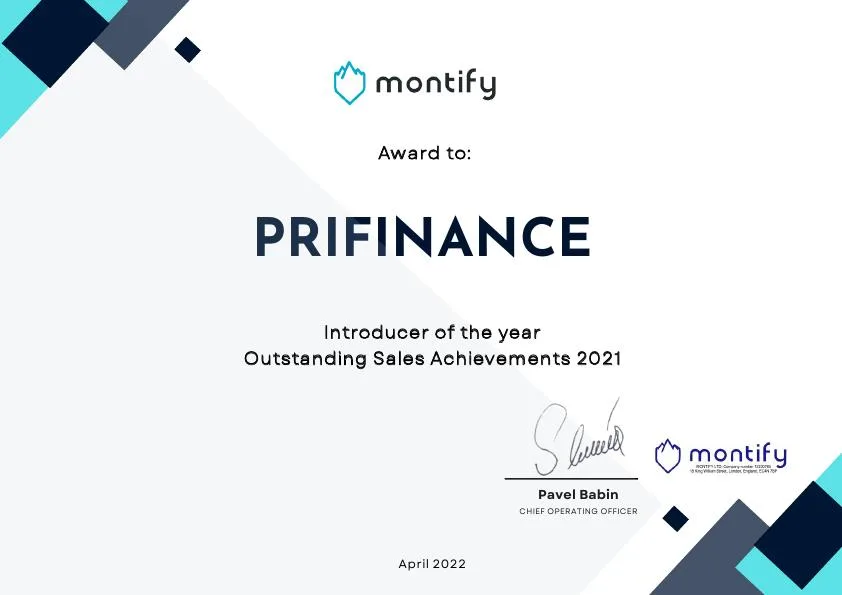
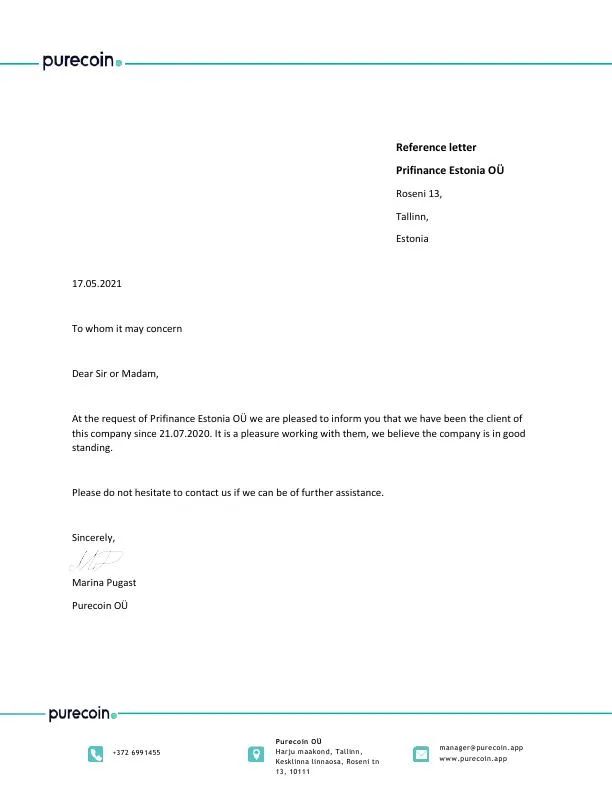
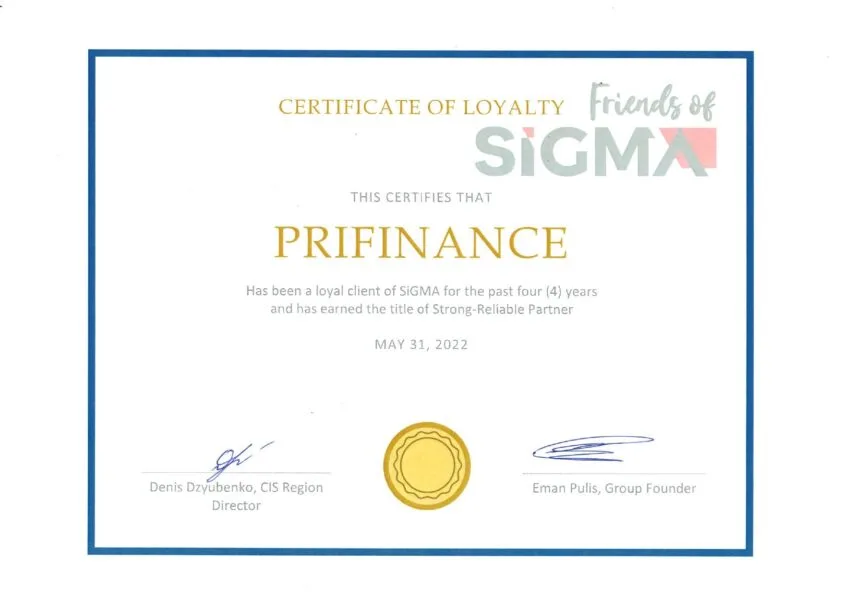
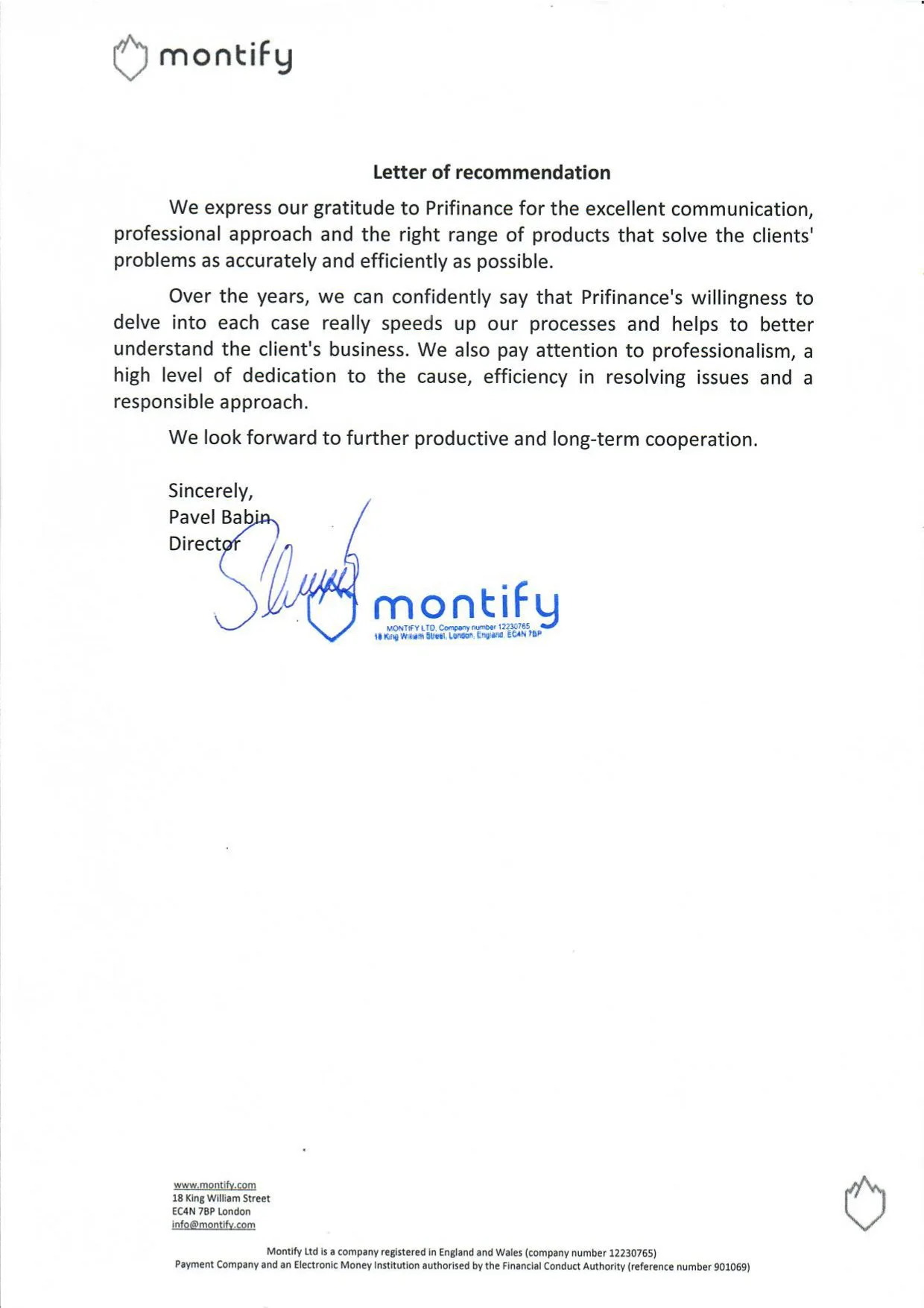
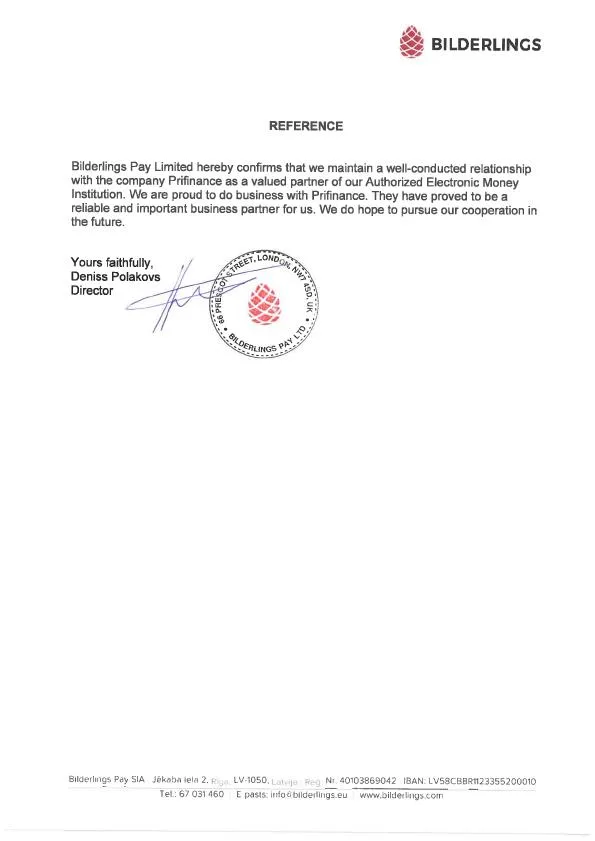
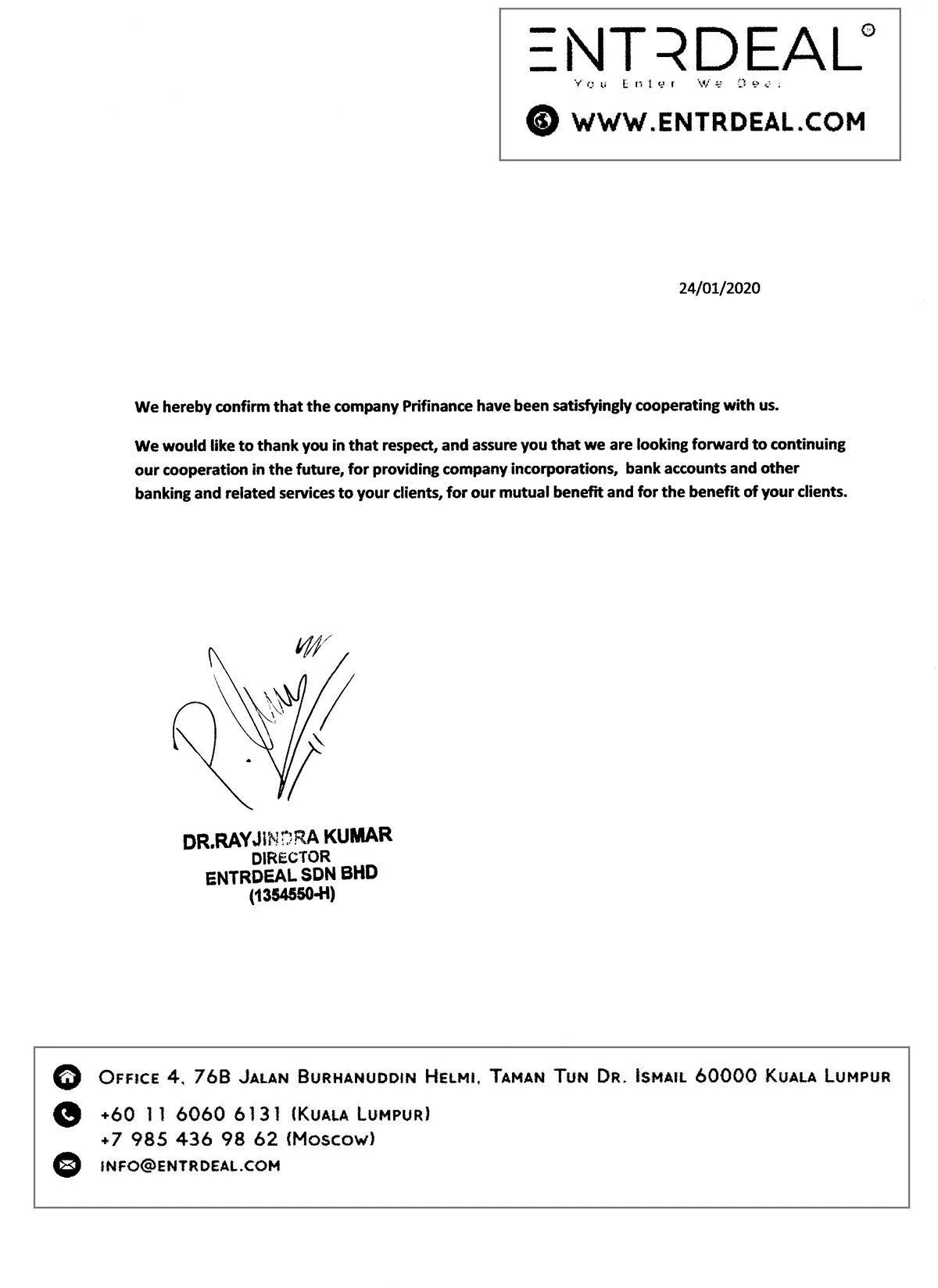
Testimonials


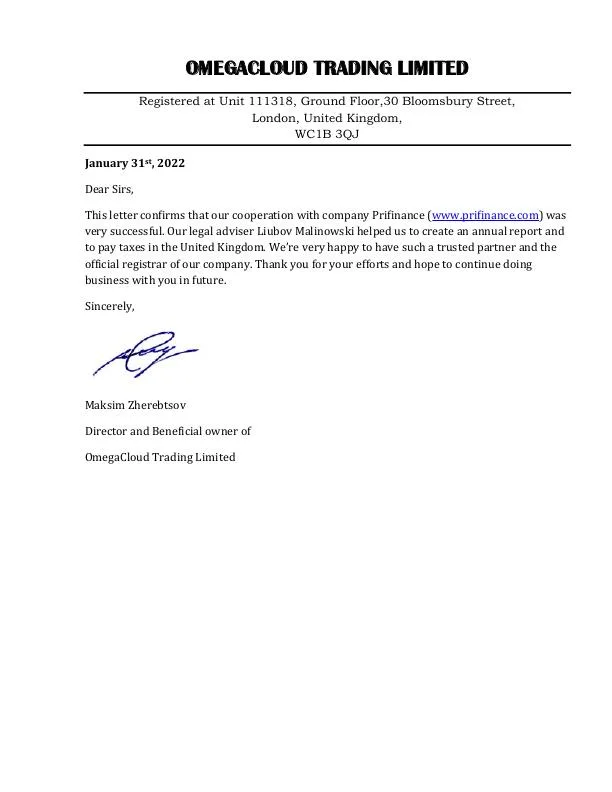
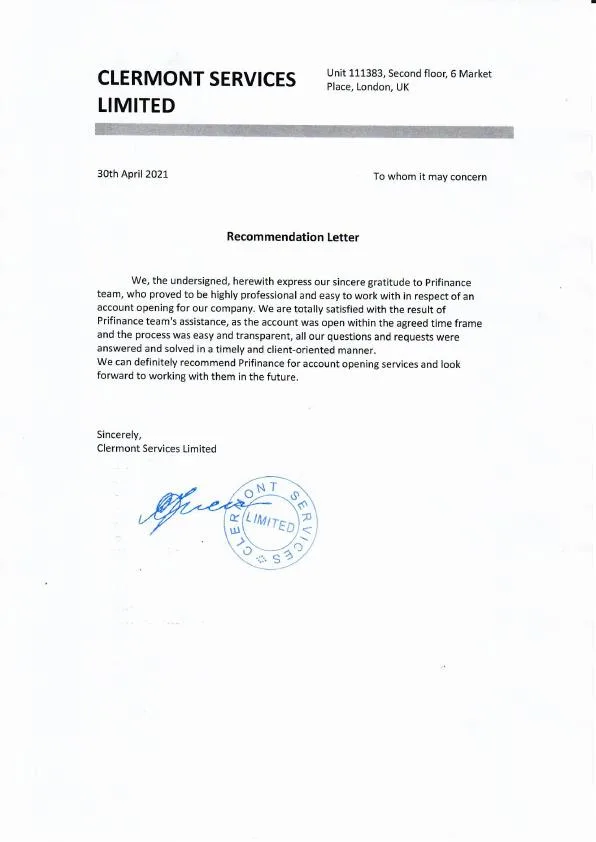
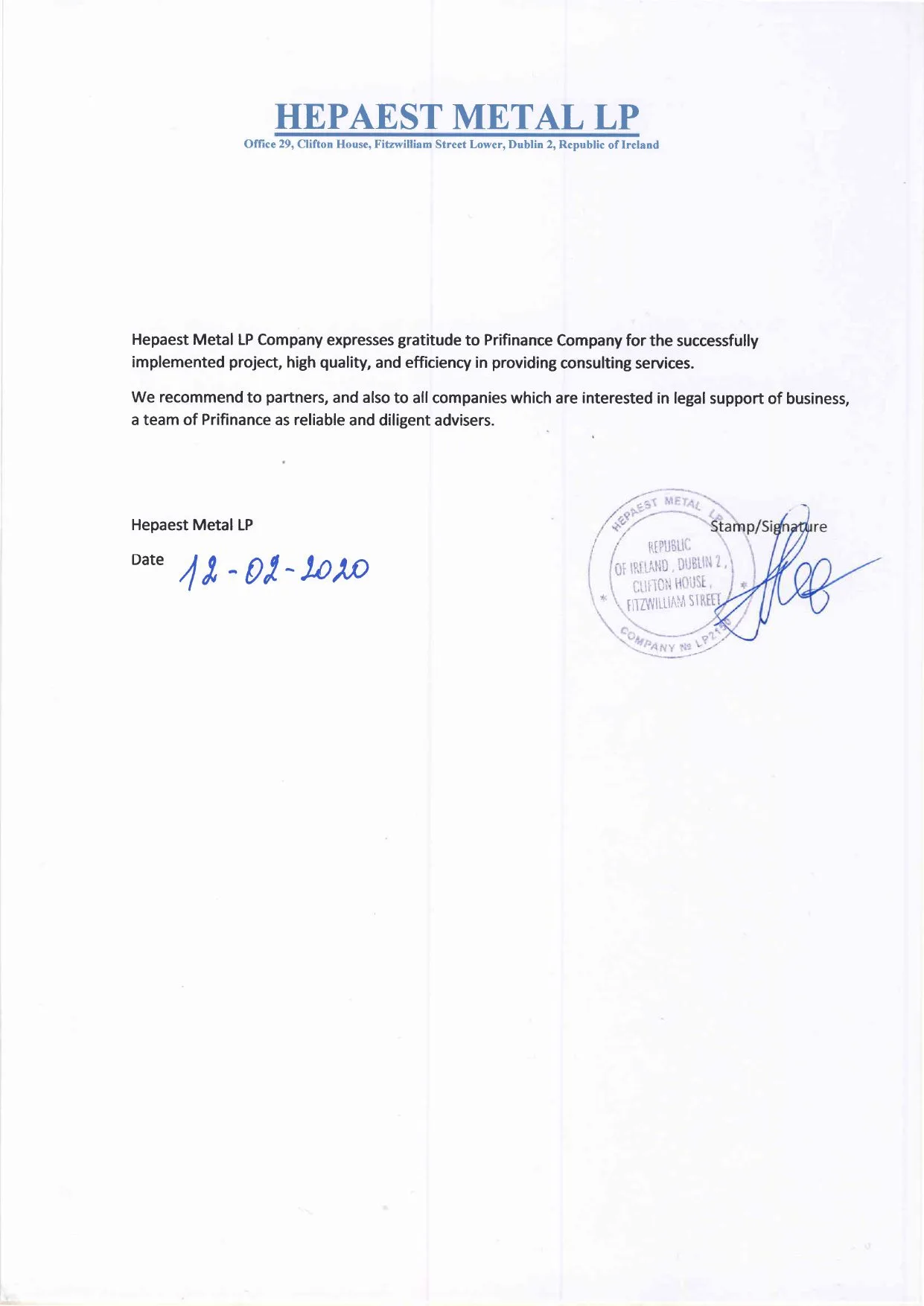
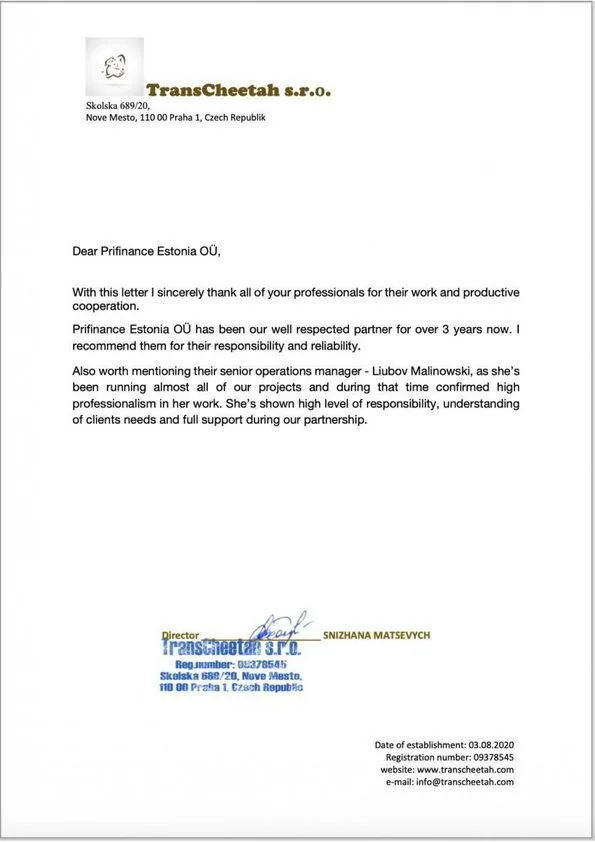
The Financial Services Commission (FSC) is the sole regulator responsible for issuing authorizations and supervising forex brokers and investment firms under the Investment Dealer license regime.
For a Full-Service Dealer (without underwriting), the minimum paid-up capital is 1,000,000 Mauritian rupees (approximately $22,000). It must be maintained in a local corporate bank account throughout operations.
Yes. Foreign individuals or entities can fully own and register a Global Business Corporation (GBC), which is the appropriate legal structure for applying for a license and serving international clients.
Mauritius offers a regulated, internationally recognized framework suitable for offshore forex and CFD brokers. While not Tier-1 like licenses from the UK or Australia, it holds strong legitimacy among banks, liquidity providers, and regulators.
Applicants must appoint two resident directors, a Compliance Officer, and an MLRO; establish a local office; maintain full AML/KYC documentation; and pass due diligence checks for all shareholders and management.
The full process, from company registration to final license issuance, typically takes 3 to 5 months, depending on documentation quality and response speed to FSC requests.
The FSC charges about $750 for application submission and around $2,500 annually for license renewal. Additional costs include local staff, office rent, audit, and compliance services.
Yes. Licensed brokers must comply with client fund segregation rules and use separate accounts for client funds under strict regulatory supervision.
Forex companies benefit from an 80% exemption on qualifying income, resulting in an effective tax rate of about 3%, provided economic substance requirements are met.
Mauritius offers a balance between cost efficiency and regulatory credibility. It is cheaper than EU jurisdictions but more legitimate than typical offshore centers such as Seychelles or Belize, making it suitable for companies targeting global clients with moderate risk and capital requirements.
Cooperation