RU
RU
 ES
ES



Why are Saint Vincent and the Grenadines beneficial for the Forex business?
| No requirement for a forex license | Minimal capital requirements | Zero tax on offshore income | Fast company registration | Cost-efficient operations |
Start brokerage operations in a prestigious jurisdiction with full turnkey support and expert assistance.

| No requirement for a forex license | Minimal capital requirements | Zero tax on offshore income | Fast company registration | Cost-efficient operations |

of experience in international consulting

crypto licenses obtained

successful complex cases

completed projects

supported jurisdictions

lawyers, auditors, and consultants
Saint Vincent and the Grenadines has become one of the most frequently chosen jurisdictions for registering international forex brokers and investment companies. The jurisdiction’s attractiveness lies in its flexible regulatory framework, fast company registration, and near-zero tax obligations for offshore legal entities. However, it is important to clarify a key regulatory fact: SVG does not issue forex licenses.
According to the official statement of the Financial Services Authority of Saint Vincent (FSA), companies engaged in forex trading are not licensed and are not regulated under national legislation. Although firms may be legally registered, the government does not supervise, authorize, or guarantee their activities.
Despite the absence of a formal license, SVG remains an attractive hub for brokers due to its fast registration procedures, low entry costs, and the ability to operate internationally, provided that brokers comply with regulations in the jurisdictions where their clients are located.
Although Saint Vincent and the Grenadines does not issue a formal forex license, the country allows fast and affordable registration of International Business Companies (IBCs), which can be used to operate as brokers, advisory firms, or financial consultants serving international clients.
To comply with local and international standards, certain procedural and legal steps must be followed when establishing a company.
Legal requirements for Forex companies
| Requirement | Details |
| Registered agent | A licensed local lawyer or firm must act as the company’s agent |
| Registered office | A physical address is required, even if the office is virtual |
| Share capital | No minimum capital is set by law; most companies declare USD 1–10,000 |
| Shareholders | Minimum of one; may be an individual or a legal entity |
| Directors | Minimum of one; no residency requirements |
| KYC & AML policies | Internal compliance procedures and client onboarding protocols must be maintained |
| Corporate documentation | Includes articles of incorporation, certificate of registration, and corporate resolutions |
| Legal disclosure | Websites must clearly state that SVG does not issue forex licenses |
Although capital contribution is not mandatory, declaring sufficient funds helps facilitate bank account opening and establishes legitimacy.
Required documents
To register a company, the following documents are typically submitted through a licensed provider:
All documents must be properly certified. The country’s authorities may request verification as part of international regulatory cooperation.
Common uses of SVG structures
Many firms establish a company in Saint Vincent and use it to operate through a white-label platform or as the marketing representative office of a licensed broker in another country (for example, in Cyprus, Seychelles, or Mauritius). This allows access to global markets while maintaining favorable business conditions and regulatory flexibility.
Although Saint Vincent and the Grenadines does not issue a forex license, the jurisdiction allows the establishment of International Business Companies (IBCs) that may engage in a wide range of activities, provided they comply with local and international regulatory requirements.
These companies are often used to provide brokerage, investment, and supporting financial services to international clients, provided that the appropriate licenses are obtained in the jurisdictions where the services are actually offered or performed.
Permitted activities in SVG
| Type of activity | Regulated in SVG? | License required in SVG? | Notes |
| Forex trading (own funds) | Not regulated | No | Permitted within the company structure |
| Forex brokerage services | Not regulated | No | Firms typically operate under a foreign license |
| Investment consulting | Not regulated | No | Requires clear terms and disclaimers |
| Fund management | Partially | For mutual funds | Subject to the Mutual Funds Act |
| Corporate consulting | Permitted | No | Widely used for international clients |
| Currency exchange (B2B) | Permitted | No | Provided that services are not offered locally |
Even without a local license, companies registered in SVG must comply with KYC, AML/CFT, and internal compliance protocols, especially when handling client data and financial flows.
Key business use cases for companies:
The regulatory environment allows such companies to operate without direct supervision, but it is recommended to implement strict internal compliance procedures to maintain legitimacy and prevent international sanctions.
Important: any company providing financial services must clearly disclose its unlicensed status in Saint Vincent and reference the relevant foreign authorizations.
Companies registered in Saint Vincent and the Grenadines (IBC/LLC), according to FSA directives, may include the following instruments in their activities, provided they comply with regulatory requirements and operate based on licenses in the jurisdictions where the activities are actually conducted:
Saint Vincent and the Grenadines has become one of the most sought-after jurisdictions for establishing forex brokers and financial companies focused on global markets. Despite the absence of a formal forex license, the jurisdiction offers numerous strategic, operational, and tax advantages for international businesses.
| Advantage | Description |
| No Forex license requirement | Ability to operate without obtaining a local license by relying on foreign authorization |
| Fast company registration | Registration is completed within 1–2 business days |
| Minimal capital requirements | The law does not set a minimum capital requirement |
| Zero tax on offshore income | Profits earned from non-local clients are fully exempt from corporate tax |
| Cost-efficient operations | Low government fees and affordable legal registration |
| Confidentiality protection | The identities of shareholders and directors are not publicly disclosed |
| Flexible regulatory position | No audit or local office is required for IBCs |
| Convenient banking | International banks recognize SVG companies for account opening |
SVG is suitable for:
Companies in SVG are not required to submit annual audits or financial reports, providing unmatched flexibility compared to highly regulated jurisdictions such as Cyprus or the BVI.
Additionally, the country complies with international transparency standards by maintaining internal compliance, KYC, and AML/CFT policies, while preserving business reputation and legitimacy at the global level.
Although St Vincent forex license is not issued, the company registration process must comply with formal compliance requirements.
| Step | Description |
| 1. Name reservation | Verification and reservation of the company name with the state registrar |
| 2. Documentation preparation | Collection of KYC materials, identification documents, and corporate documentation |
| 3. Application submission | Signing and submitting the application through a registered lawyer or agent |
| 4. Authority review | The registrar reviews all submitted documents |
| 5. Company incorporation | A certificate of incorporation and equivalent corporate documents are issued |
| 6. Post-registration setup | Activation of a bank account, development of compliance policies, and preparation of internal files |
Most companies in SVG are fully operational within 5–7 business days, provided all requirements are met.
Typical costs and government fees
| Expense category | Approximate cost (USD) |
| Government incorporation fee | $275–$300 |
| Registered agent and office | $400–$700 per year |
| Legal services and documentation | $500–$900 |
| Compliance consulting (optional) | $300–$500 |
| Total cost | $1,200–$2,000 |
Overall costs are significantly lower than in regulated jurisdictions such as Cyprus or the BVI, where applying for a license may require $20,000–$100,000 in capital, legal, and regulatory fees.
One of the most attractive aspects of registering a forex company in Saint Vincent and the Grenadines is its favorable tax environment. The jurisdiction provides almost complete exemption from local taxation for qualifying offshore companies.
| Tax type | Status for offshore company | Notes |
| Corporate income tax | 0% | Profits earned outside SVG are not taxed |
| Capital gains tax | Not applicable | Profits from the sale of assets are not taxed |
| Withholding tax | None | No tax on dividends or interest payments |
| VAT / sales tax | Not applicable | Services provided abroad are exempt |
| Stamp duties | Limited | Applies only to real estate transactions in SVG |
Forex brokers registered in SVG do not incur tax obligations on international operations.
Reporting and compliance requirements
SVG companies benefit from minimal taxation but must comply with basic compliance standards, including:
The jurisdiction does not require financial audits, periodic reporting, or public disclosure of shareholders and directors.
Although local audits are not mandatory, maintaining proper records increases legitimacy when dealing with international banking institutions and when obtaining licenses in other jurisdictions.
| Fast license processing
Optimized processes reduce the risk of errors and help shorten licensing timelines. |
| Full turnkey support
Assistance at every stage, from document preparation to obtaining the license. |
| Many years of international experience
Expertise in licensing and financial regulation. |
| Team of qualified experts
Specialized lawyers and fintech consultants with extensive professional experience. |
| Transparent cooperation terms
All conditions are agreed in advance, ensuring predictability and confidence at every stage. |
Prifinance provides comprehensive support for forex company registration, combining expertise in corporate law, international business structuring, and compliance. We assist clients at every stage, from preparing incorporation documents to interacting with registration authorities and coordinating related procedures.
Our team of experts works in accordance with the current legal requirements of the jurisdiction and the practical aspects of launching a business, helping to minimize administrative risks and optimize the registration process. Our approach is focused on procedural clarity, transparency in cooperation, and the efficient achievement of results.


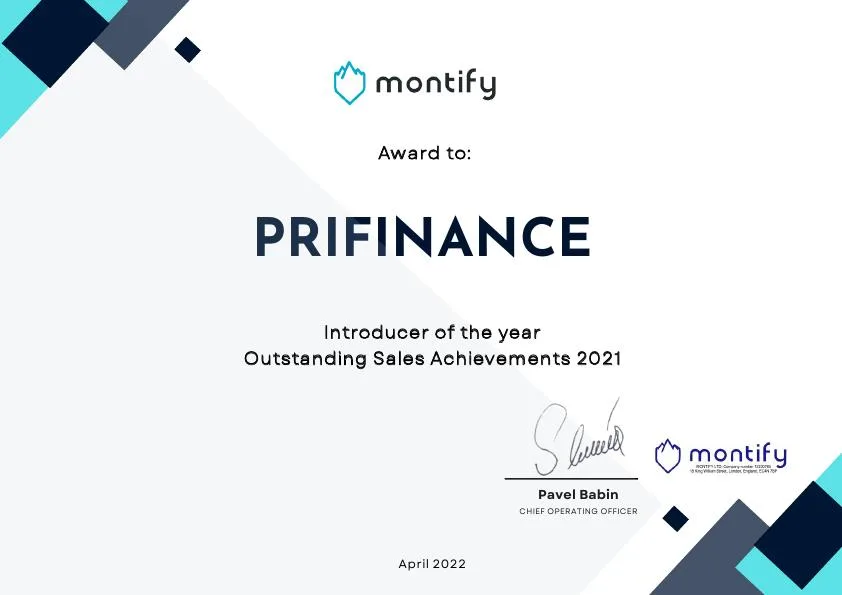
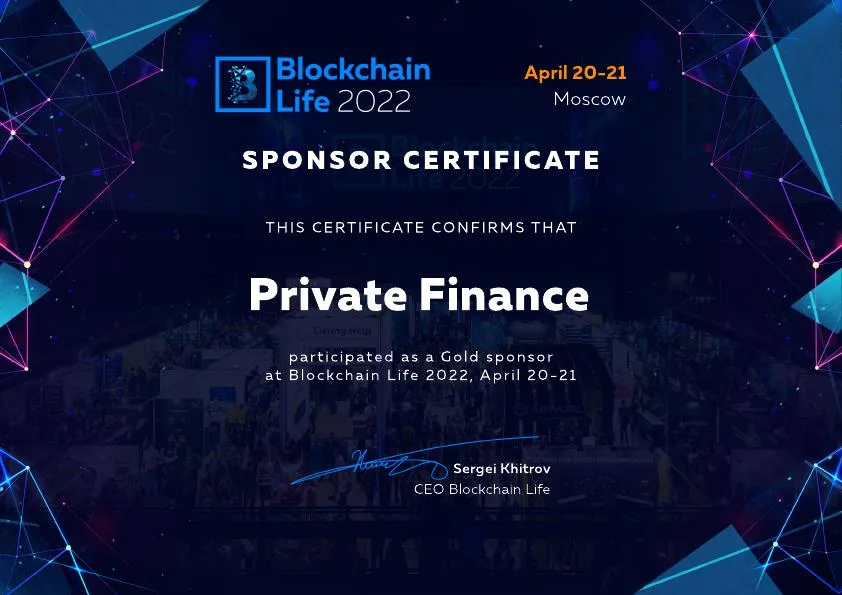
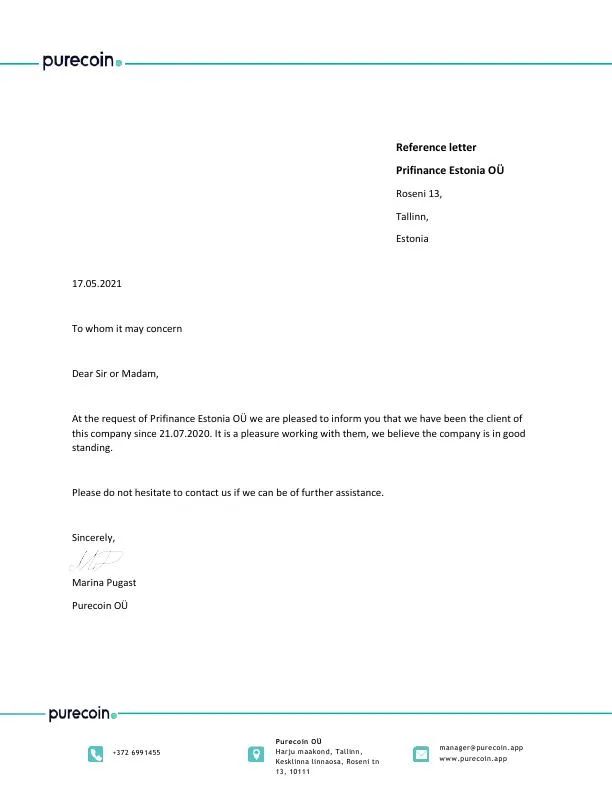
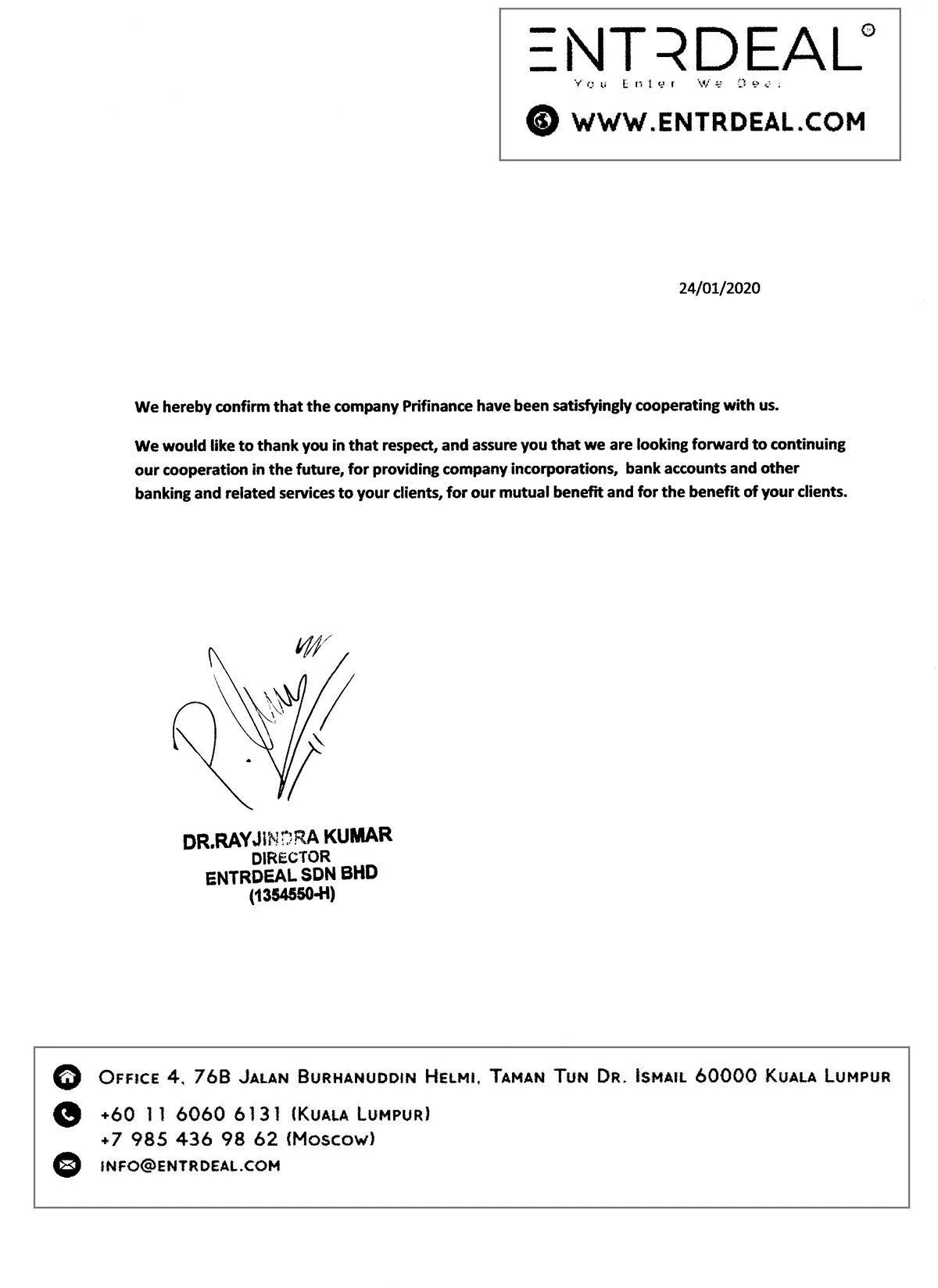
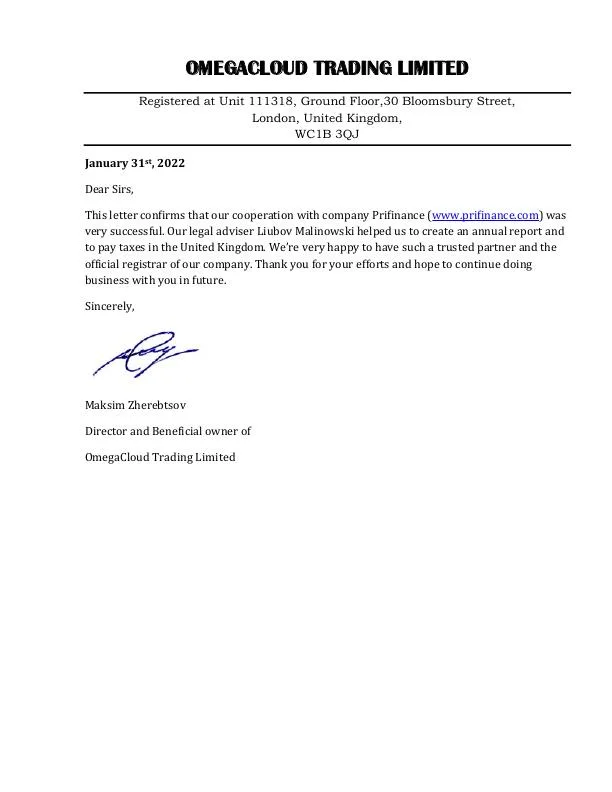
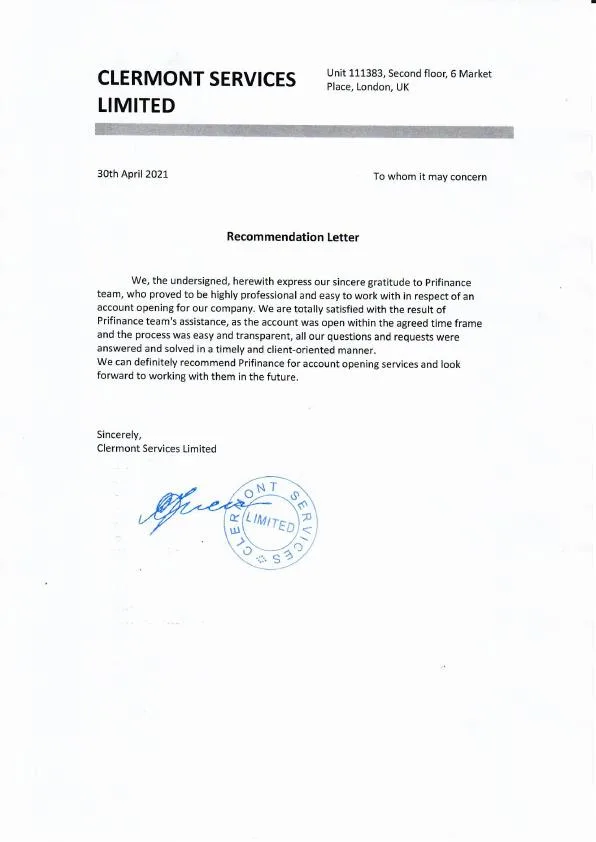
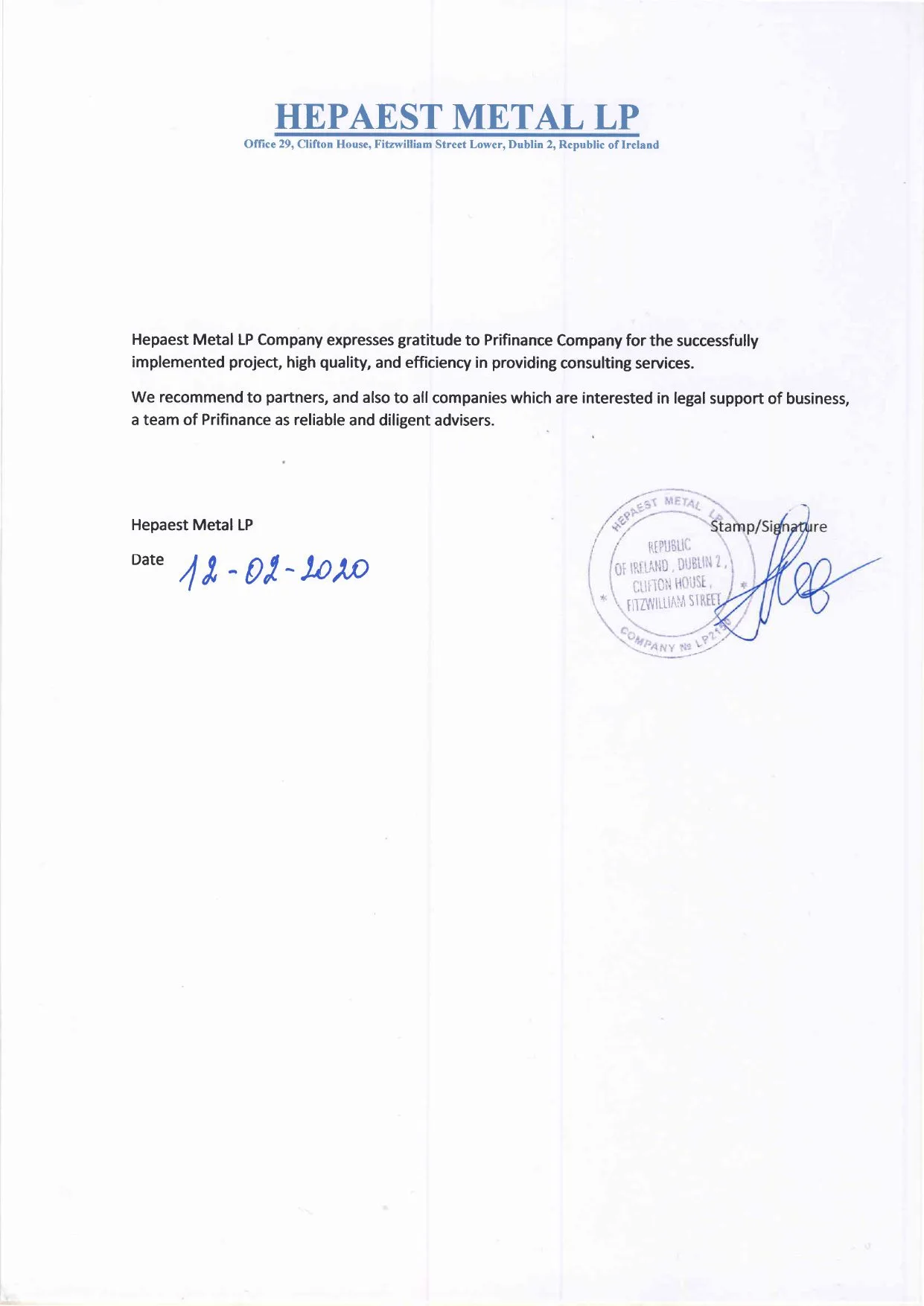
Testimonials
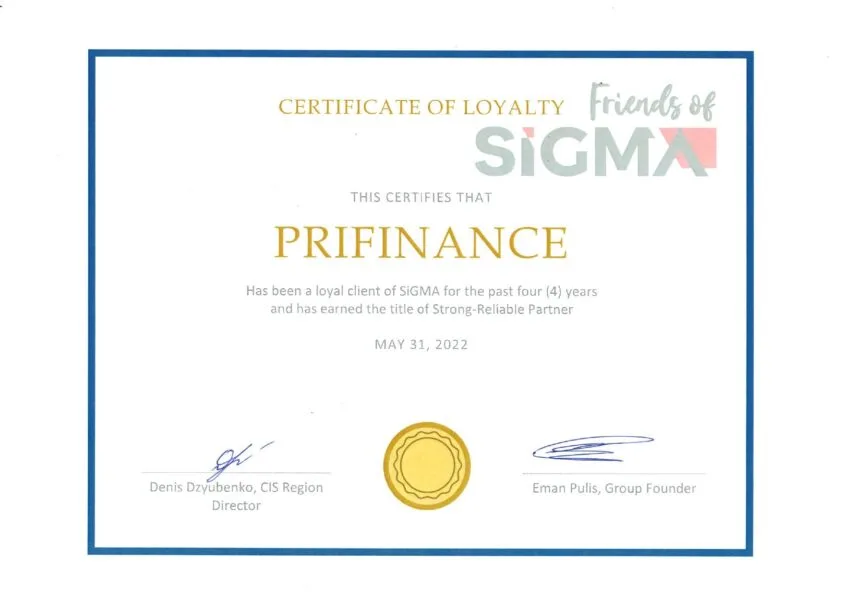
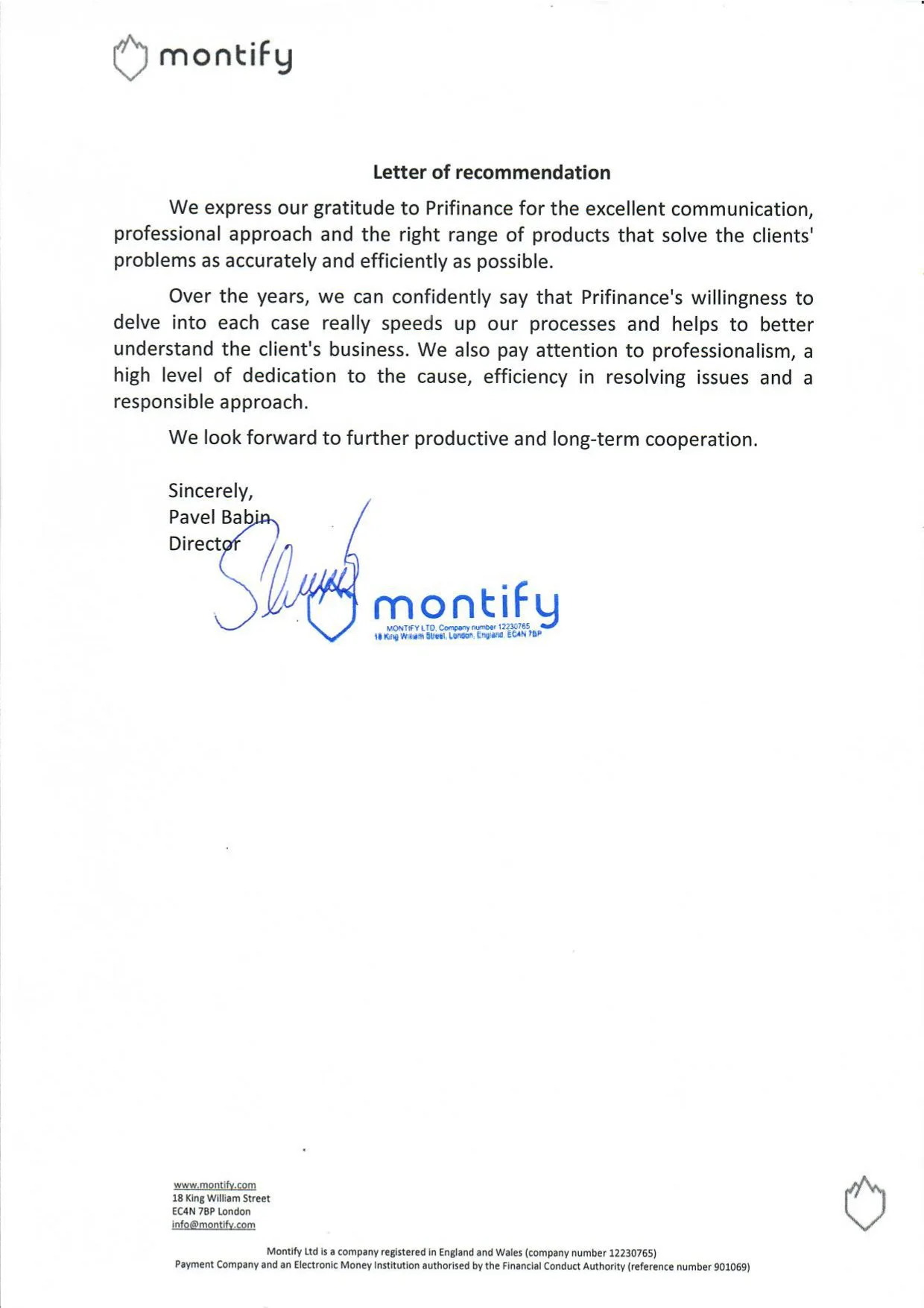
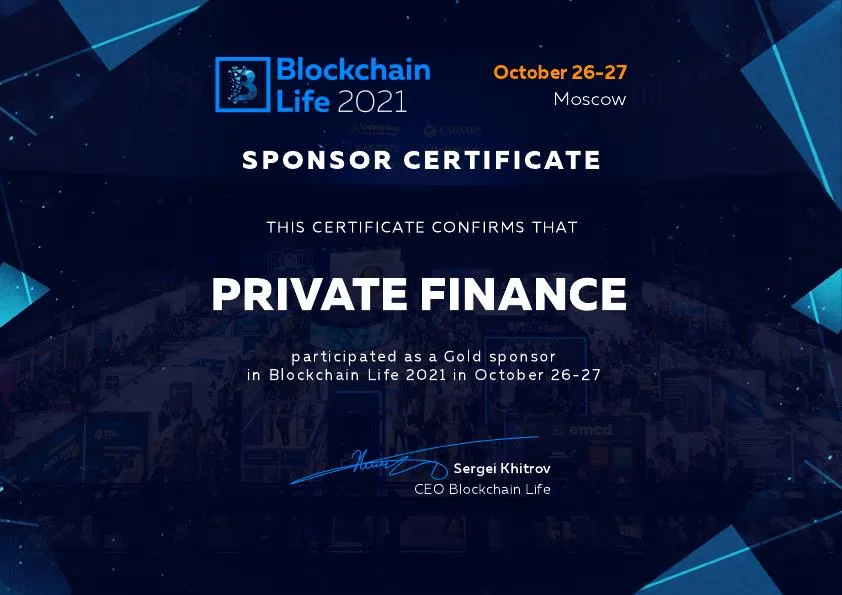
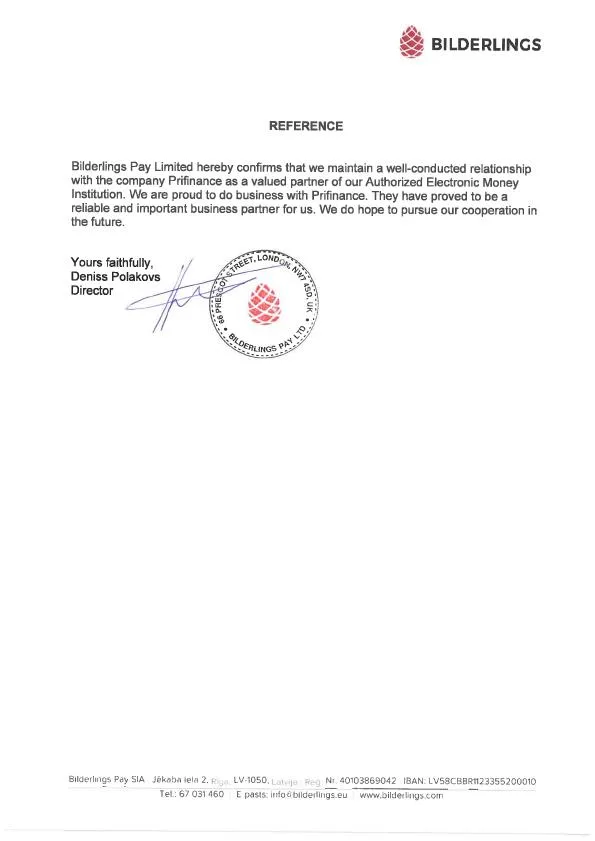

No. Saint Vincent and the Grenadines (SVG) does not issue forex licenses. Local regulators clearly state that forex activities are not regulated within SVG.
Yes, it is possible to register a company and operate internationally. However, you must obtain a license in the jurisdictions where your clients are located.
No. SVG is classified as a lightly regulated or unregulated jurisdiction for financial services, which is why many firms use it as an offshore base.
The total cost usually ranges from $1,200 to $2,000, including legal services, government fees, and registered office services.
No. SVG does not require a minimum capital contribution to register a company.
No. Corporate tax on international income for forex companies registered in SVG is 0%.
You will need certified identification documents, proof of address, a business plan, and basic KYC/due diligence forms for all directors and owners.
No. SVG does not require audits or financial reporting, but maintaining proper documentation is important for legitimacy and banking relationships.
Most companies are incorporated within 2–3 business days, provided that all documents and compliance files are ready.
Yes, although international banks may require a transparent corporate structure, legal documentation, and confirmation of regulatory status.
Cooperation