RU
RU
 ES
ES



Advantages of the UK jurisdiction for Forex brokers
| Global reputation | Broad scope of the license | Client trust and transparency | Access to global markets | Stable political environment |

Comprehensive support for licensing a forex company in a prestigious jurisdiction: the United Kingdom

| Global reputation | Broad scope of the license | Client trust and transparency | Access to global markets | Stable political environment |

of experience in international consulting

crypto licenses obtained

successful complex cases

completed projects

supported jurisdictions

lawyers, auditors, and consultants
Obtaining a Forex license in the United Kingdom is a critical step for any company seeking to provide trading services in global financial markets. In the United Kingdom, all organizations offering investment and brokerage services, including currency exchange, must be licensed and regulated by the Financial Conduct Authority (FCA) – the official regulatory body responsible for overseeing financial activities.
Successfully acquiring a Forex license in the UK requires meeting rigorous regulatory and operational standards defined by the Financial Conduct Authority. These requirements are aimed at ensuring full compliance, financial stability, and client protection for all licensed companies.
Key legal and corporate requirements
| Category | Description |
| Company structure | Must be registered in the United Kingdom (typically Ltd), with a physical office in the UK. |
| Directors and staff | At least one director must have relevant financial experience; the FCA prefers local management. |
| Corporate governance | Clearly defined roles, responsibilities, and internal control systems. |
| Legal substance | A real presence must be demonstrated – shell companies are not accepted. |
The amount of minimum capital depends on the nature of the services delivered:
| Type of activity | Minimum capital (approx.) |
| Execution-only services | £75,000–£125,000 |
| Broker-dealer with client funds | £730,000+ |
| Market maker or proprietary trading | £750,000+ |
It is required that the capital be fully contributed, tracked, and reflected in the company’s financial reports.
A successful application includes a complete set of documents confirming the company’s readiness to operate in accordance with FCA standards:
The FCA expects applicants to establish an office in the United Kingdom, maintain local staff, and demonstrate control over communications and transactions with clients from within the country. Structures based solely on remote operations or fully outsourced models are likely to be rejected.
Additional requirements:
Not meeting any single requirement may cause the application to be rejected or delayed. Therefore, applicants are advised to work with experienced legal and compliance consultants at the company formation stage.
A UK Forex license allows a wide range of financial services beyond simple currency trading. Companies regulated by the FCA can legally operate as investment brokers, market makers, and asset managers, provided they comply with all regulatory and capital requirements.
Below are the main types of activities permitted under a UK Forex license:
| Type of activity | Description |
| Forex trading | Buying and selling currency pairs (spot and derivative contracts). |
| CFD and derivatives trading | Trading contracts for difference on assets, including stocks and commodities. |
| Investment brokerage | Acting as an intermediary to facilitate client transactions. |
| Asset management | Managing investment portfolios on behalf of clients. |
| Market making | Providing liquidity across various financial markets. |
| Advisory services | Providing clients with tailored financial and investment recommendations. |
| Execution and dealing services | Executing trade orders directly or through other regulated entities. |
| Safekeeping of funds | Holding and managing client accounts and funds. |
To carry out these activities, companies must clearly define their business model at the application and registration stage. The FCA assesses whether the company has an appropriate corporate structure, operational compliance systems, and sufficient capital to support its services.
In addition, if a company holds client funds or operates its own trading platform, it must comply with specific FCA CASS requirements for asset protection, reporting, and segregation of accounts. Such measures are implemented to protect clients and preserve the integrity of the market.
Whether you are launching a forex broker, an electronic trading platform, or a corporate investment advisory business, a UK license provides one of the broadest scopes of permissions in the global financial system.
Obtaining authorization from the UK regulator gives a broker access to the world’s most liquid markets, allowing them to operate with the following types of financial instruments legally:
Choosing the United Kingdom as a base of operations provides several key advantages for companies seeking a strong international presence in Forex trading and investment services.
Key advantages of a UK Forex license:
| Advantage | Description |
| Global reputation | The United Kingdom is a Tier-1 financial center, providing instant business legitimacy. |
| Strict regulatory oversight | The FCA ensures high compliance standards, protecting clients and maintaining market integrity. |
| Broad scope of license | Companies can engage in trading, consulting, portfolio management, and more. |
| Client trust and transparency | A strong legal system and reliable regulators increase client trust. |
| Access to global markets | FCA-licensed companies can operate worldwide; many corporate clients prefer UK-based firms. |
| Stable political environment | Despite Brexit, the UK maintains a stable and business-friendly climate. |
Unlike many offshore jurisdictions, the United Kingdom is not considered a high-risk territory. It adheres to international standards of cooperation and transparency, including AML/CFT, KYC, and anti-fraud mechanisms. These measures position FCA-regulated companies as reliable partners on a global level.
Why clients choose FCA-regulated brokers:
Whether you attract retail clients or manage institutional funds, operating under a UK license significantly increases trust in your company.
Applying for a Forex license in the United Kingdom involves a structured multi-stage process that ensures only companies with compliance standards, sufficient capital, and professional management can enter the market.
The following is a detailed overview of the process for company registration, application preparation, and securing full authorization.
Stage 1: Pre-application preparation
Before submitting documents, companies must ensure they meet all FCA requirements and prepare detailed internal and external policies. This includes:
Stage 2: Submission of the application to the FCA
Once the business is ready, the applicant submits the official application through the FCA Connect system. This stage includes:
The application must be detailed and professionally prepared. The FCA assigns a case officer to review the application and communicate regarding any missing elements.
Stage 3: Regulatory review and feedback
After the initial validation, the FCA conducts an in-depth review. During this period:
Delays may arise if the FCA identifies inconsistencies, insufficient compliance measures, or gaps in risk management.
The timeframe for licensing generally ranges from 4 to 9 months, based on the business structure, documentation readiness, and responsiveness to the FCA.
| Stage | Approximate duration |
| Pre-application preparation | 1–2 months |
| FCA review and feedback | 3–6 months (standard) |
| Complex or high-risk firms | Up to 12 months |
Companies must also consider financial obligations associated with applying for and maintaining the license:
Operating a Forex company in the United Kingdom provides not only regulatory clarity but also a stable and transparent tax environment. While the UK is not a low-tax or offshore jurisdiction, its system is predictable and business-oriented, which attracts serious financial service providers.
Corporate taxation:
VAT and Forex activities:
Treatment of client funds:
Other tax aspects
| Tax element | Description |
| Dividends | Taxed at standard shareholder tax rates, subject to applicable thresholds. |
| Capital gains | Gains from trading activities are taxed under the standard corporate tax. |
| Employment taxes | PAYE and National Insurance apply to all local employees and directors. |
| Payment systems | No specific fees or taxes on FX transfers within the United Kingdom. |
Legal and tax transparency
| Fast licensing process
Optimized processes reduce the risk of errors and help shorten licensing timelines. |
| Full turnkey support
Comprehensive assistance from document preparation all the way to obtaining your license. |
| Extensive international experience
Expertise in licensing and financial regulation. |
| Team of qualified experts
Specialized lawyers and fintech consultants with extensive experience. |
| Transparent cooperation terms
All terms are agreed in advance, ensuring predictability and confidence at every stage. |
Our team specializes in supporting the licensing process for Forex companies. We ensure full compliance of all documents and procedures with regulatory requirements, including the preparation of corporate documentation, agreements, internal compliance policies, and reporting.
Our support covers every stage of licensing, starting with the assessment of legal structure and capital needs and ending with application submission and regulator interaction. Our team’s experience helps minimize the risk of rejection and accelerate the process of obtaining official authorization to operate in the Forex market.


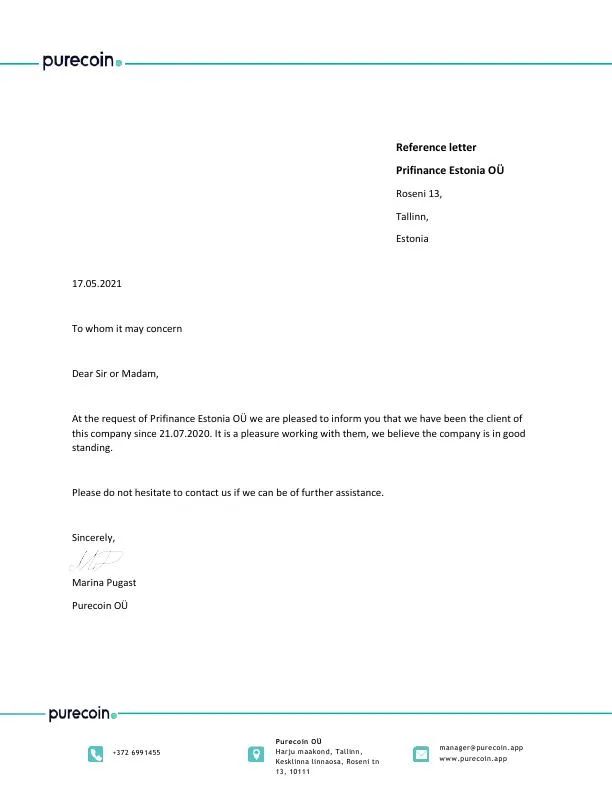
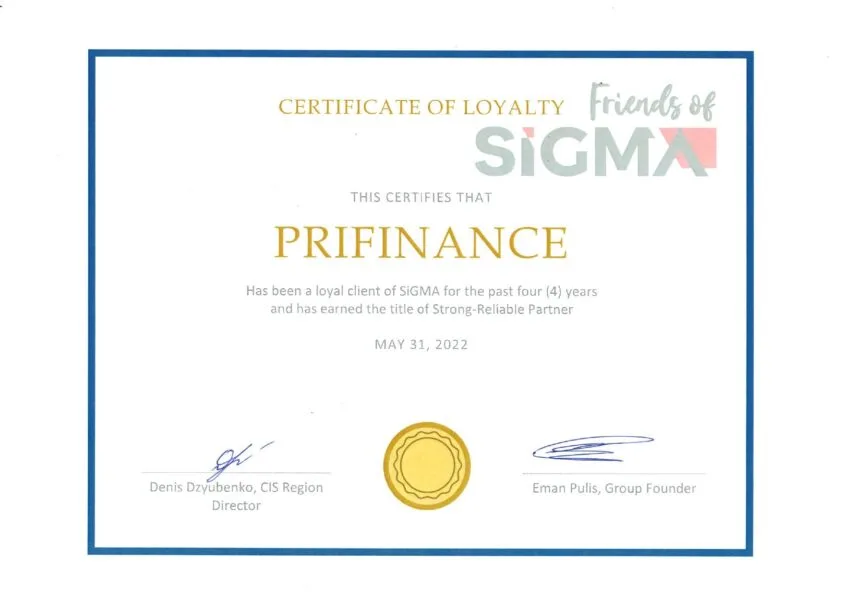
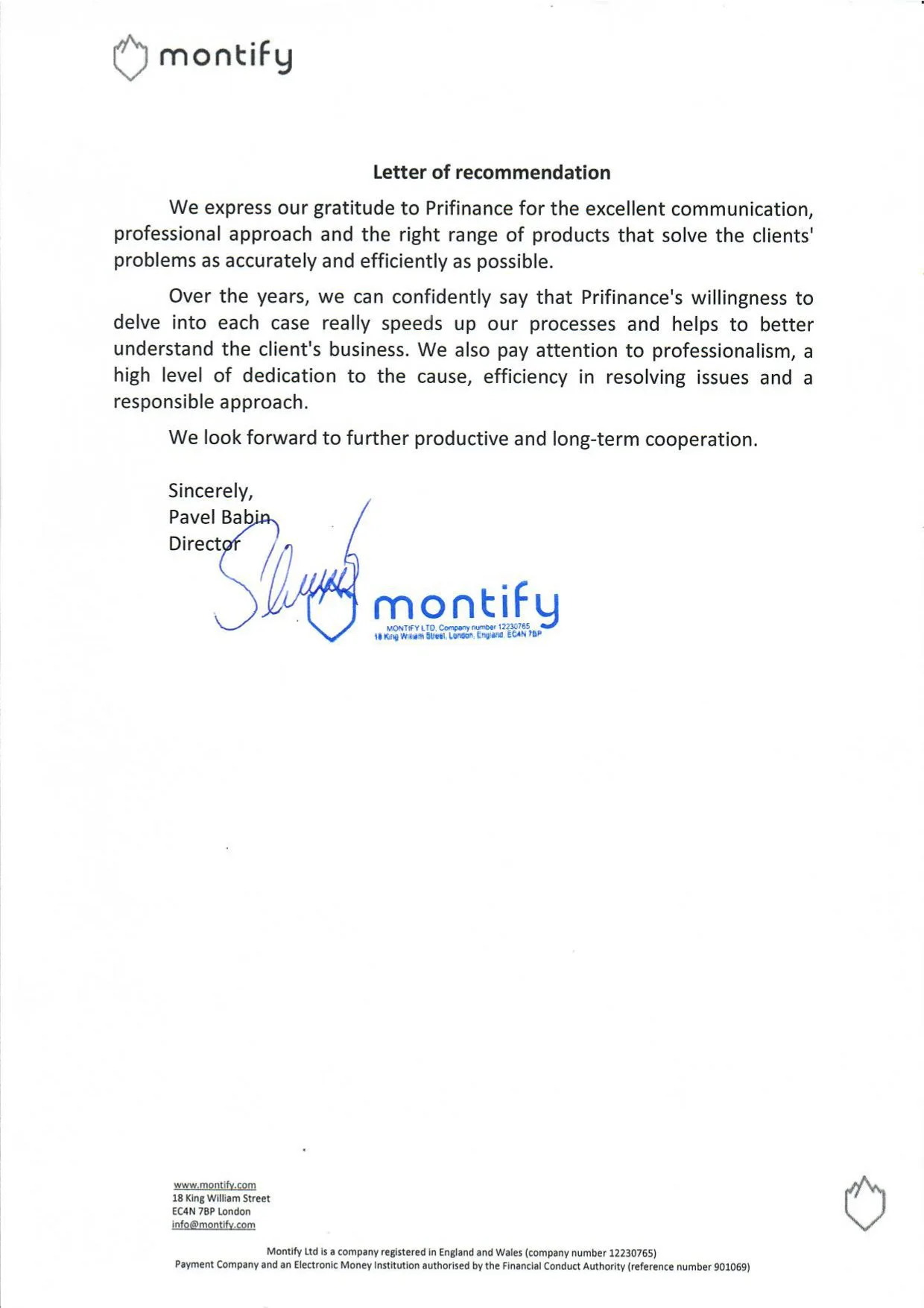
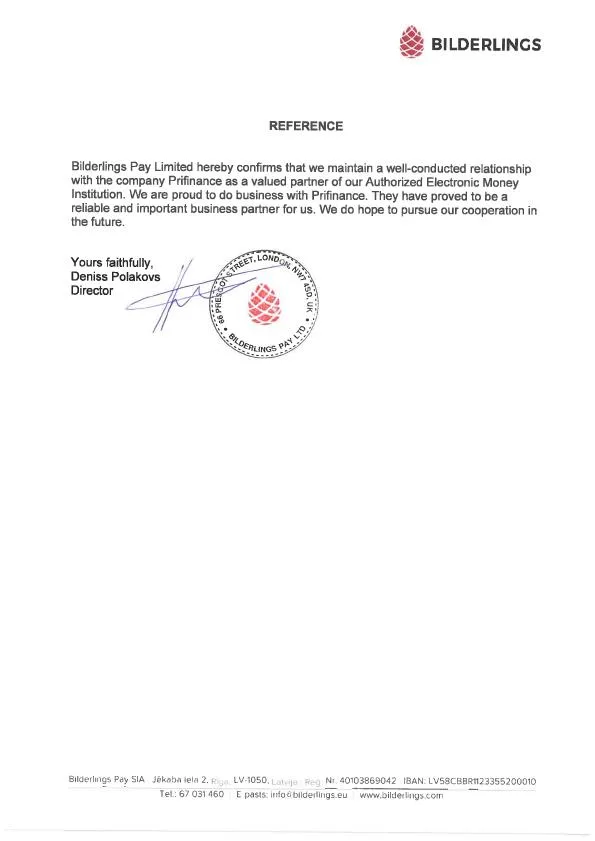
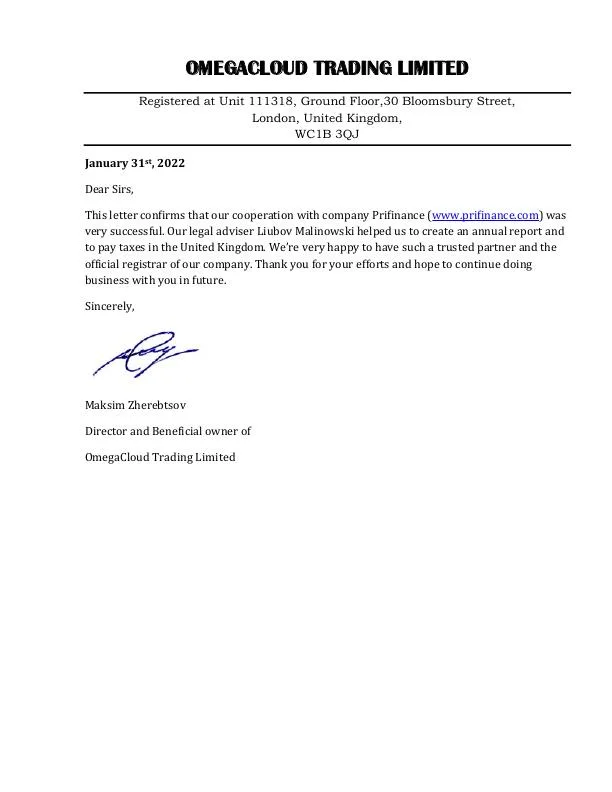
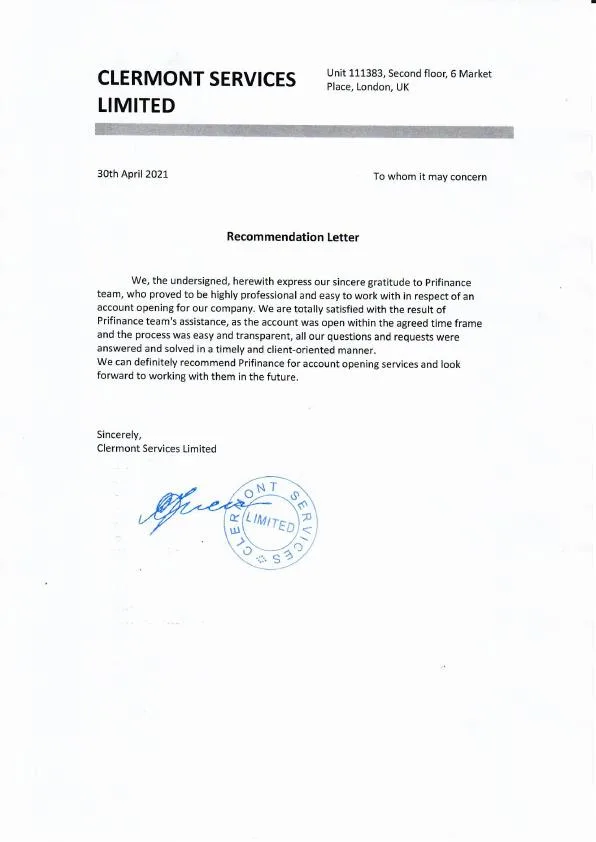
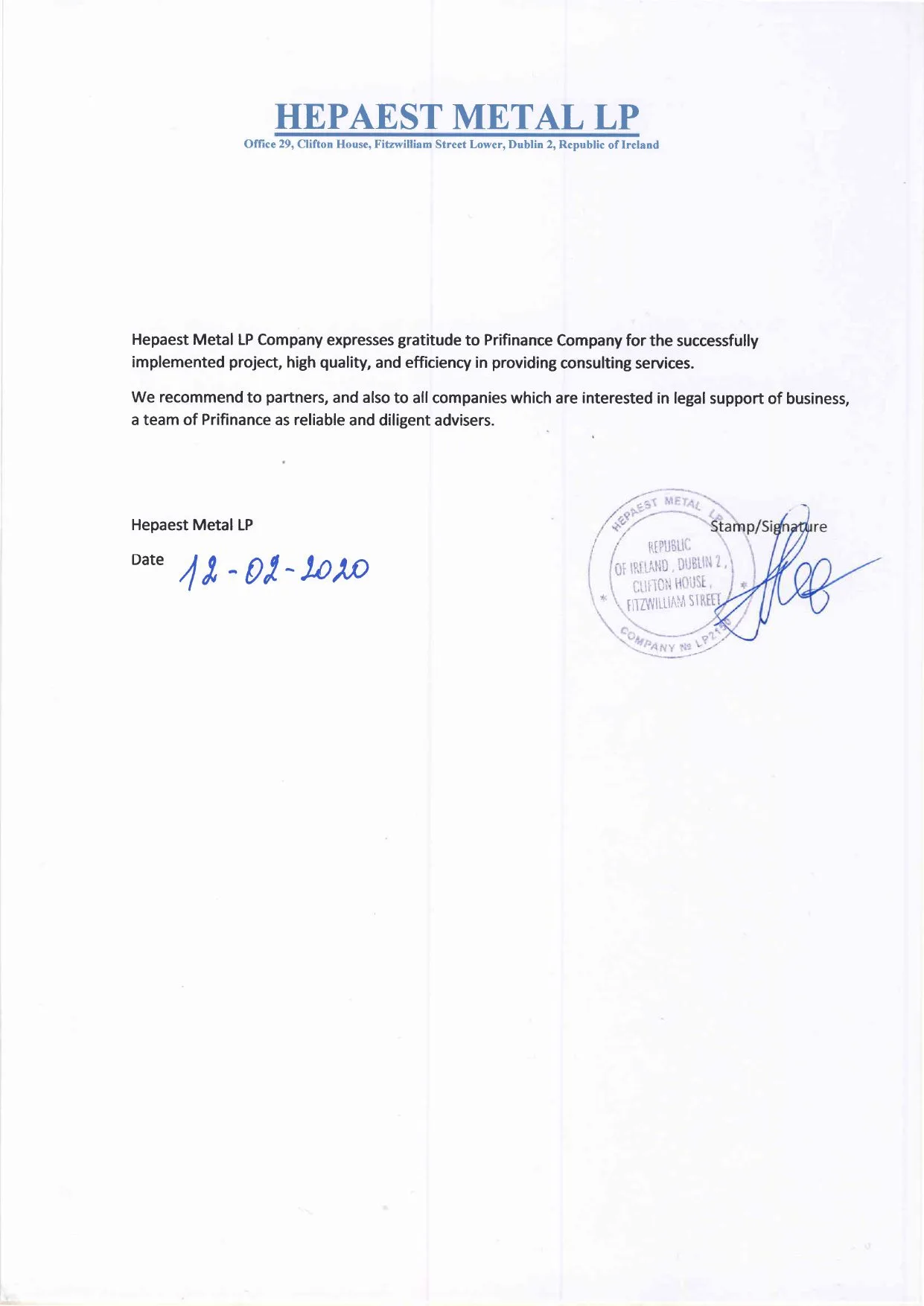
Testimonials





A UK Forex license is a legal authorization issued by the Financial Conduct Authority (FCA), allowing a company to provide Forex trading, investment, and brokerage services. The license confirms that the company is fully regulated and complies with UK financial laws.
Yes. Foreign citizens can register a company in the UK but must establish a local office, meet capital requirements, and pass FCA Fit and Proper tests for directors.
Required minimum capital is determined by the company’s business model:
- £75,000 for execution-only brokers
- £730,000+ for companies handling client funds or trading on their own account
The process typically takes 4-9 months, depending on documentation completeness, business scope, and responsiveness to FCA feedback.
Yes. FCA-licensed companies must submit financial reports, maintain compliance procedures, segregate client funds, and undergo periodic audits.
No. The UK is a top-tier jurisdiction, transparent and non-offshore, with strong regulation and high international trust.
Yes. All companies pay corporate tax (19–25%). However, Forex trading services are generally exempt from VAT.
You need to provide:
- a business plan;
- AML/KYC policies;
- corporate structure;
- proof of capital;
- CVs and background checks of directors;
- operational procedures and IT summary.
Yes. The FCA requires companies to have a real presence, including maintaining operational and client accounts with authorized UK banks or EMIs.
Strongly recommended. Working with experienced legal consultants ensures your application, documentation, and compliance setup meet all FCA standards and UK laws, increasing the chances of successful licensing.
Cooperation